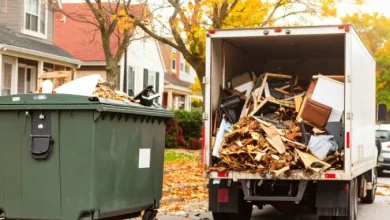

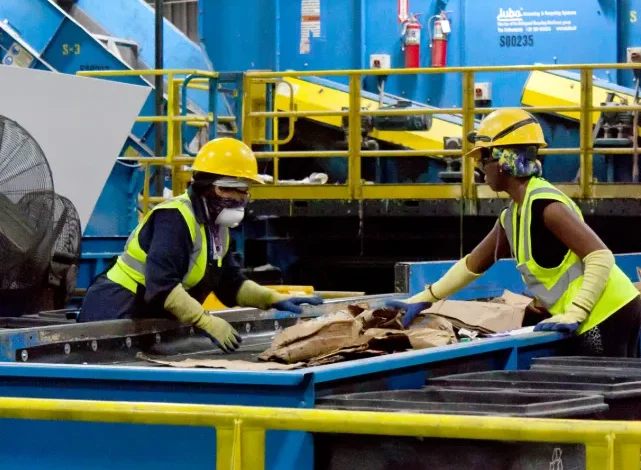
The waste management industry is often overlooked when it comes to career opportunities, but it offers a wide range of fulfilling roles. While most people associate waste management with garbage collectors or truck drivers, the industry is much broader. There are numerous jobs that cater to different skill sets, interests, and levels of education, all of which offer competitive benefits and career growth.
Before diving into the available opportunities, let’s first dispel some common myths surrounding the waste management industry:
Myth #1: The Waste Industry Is Only for Men
While it’s true that around 85% of waste industry roles are filled by men, the percentage of women in the field is growing steadily, currently making up 15% of the workforce.
Myth #2: Waste Management Is a Last-Resort Job
Contrary to popular belief, many people in the waste management industry are passionate about their careers. Some have family ties to the field, while others chose this path because of the great benefits it offers.
Myth #3: Garbage Collectors Smell Like Trash
Garbage collectors wear protective clothing that shields them from odors and contaminants, so they don’t smell like garbage when off duty.
Myth #4: Garbage Companies Are Controlled by the Mafia
This outdated myth has no basis in reality. Today’s waste companies are highly regulated, and many are run by business professionals and entrepreneurs. They also work closely with local municipalities to ensure services are efficient and lawful.
Myth #5: Waste Companies Don’t Care About the Environment
The waste management industry is committed to minimizing environmental impact. Many regulations are in place to ensure that waste disposal, recycling, and hazardous waste management follow strict environmental standards.
Why Work in the Waste Industry?
As of 2022, over 480,000 people were employed in the waste management sector, yet the industry is often overlooked. It offers more than just financial stability—it’s a diverse, rewarding field that caters to people with various backgrounds and educational levels.
Some of the key reasons to work in the waste industry include:
Financial Benefits:
- Competitive wages and salary packages
- Bonuses and regular raises
- Pensions and retirement plans
- Paid vacations and sick leave
- Comprehensive health, dental, and life insurance
- Stock options and consistent, stable work
Personal Benefits:
- A sense of social contribution
- Flexibility and work-life balance
- Opportunities for job training and career development
- Physical activity through on-the-job tasks
- Maternity and paternity leave
11 Rewarding Careers in Waste Management
- Waste Management Specialist
These professionals plan and implement strategies to reduce waste, restore damaged land, and help develop waste control programs. They often work with government agencies to ensure compliance with regulations.
How to Become One: Typically requires a bachelor’s degree in environmental science, engineering, or a related field.
Average Salary: $50,000–$90,000
Degree Needed: Yes
- Recycling Coordinator
A recycling coordinator oversees recycling programs, educates the public on best practices, and ensures smooth operation of recycling efforts.
How to Become One: A bachelor’s degree in sustainability or environmental science is often required.
Average Salary: $40,000–$60,000
Degree Needed: Yes
- Environmental Engineer
Environmental engineers design systems for waste management and pollution control, ensuring that waste processes follow environmental standards.
How to Become One: Requires a degree in environmental engineering or a related field.
Average Salary: $60,000–$100,000
Degree Needed: Yes
- Waste Treatment Plant Operator
These operators manage waste treatment plants, ensuring waste is treated and disposed of according to regulations.
How to Become One: Requires a high school diploma and on-the-job training, with some employers preferring relevant certifications.
Average Salary: $40,000–$70,000
Degree Needed: No
- Waste Collection Driver
These drivers collect waste from residential or commercial locations and transport it to disposal sites.
How to Become One: Requires a high school diploma, a commercial driver’s license (CDL), and on-the-job training.
Average Salary: $30,000–$50,000
Degree Needed: No
- Driver Helper
Driver helpers assist with the collection and transportation of waste, helping load and unload waste containers.
How to Become One: No formal education is required, but a valid driver’s license is necessary.
Average Salary: $35,000–$45,000
Degree Needed: No
- Billing Specialist
This role involves managing billing for waste management services, resolving customer issues, and ensuring accurate invoices.
How to Become One: Requires a high school diploma and experience in customer service or accounting.
Average Salary: $40,000–$70,000
Degree Needed: No
- Mechanic
Waste management mechanics maintain and repair vehicles and equipment used in waste collection and recycling operations.
How to Become One: Requires technical training or certification in automotive mechanics.
Average Salary: $40,000–$60,000
Degree Needed: No
- Waste Equipment Sales Representative
These professionals sell waste management equipment and services to businesses and municipalities.
How to Become One: A strong background in sales and knowledge of waste equipment is ideal.
Average Salary: $40,000–$70,000
Degree Needed: No
- Customer Support Specialist
Customer support specialists in the waste industry assist clients with scheduling pickups, sorting waste, and addressing concerns.
How to Become One: Requires excellent customer service and communication skills.
Average Salary: $30,000–$50,000
Degree Needed: No
- Waste Management Welder
These welders specialize in repairing waste management equipment, such as dumpsters and collection vehicles.
How to Become One: Requires welding certification and experience with metalworking.
Average Salary: $40,000–$60,000
Degree Needed: No
Conclusion
The waste management industry is not only profitable but also offers many career paths, ranging from technical roles to customer support positions. Whether you’re interested in engineering, customer service, or hands-on roles, the waste industry has something for everyone. With competitive salaries, job security, and the opportunity to contribute to sustainability, it’s a rewarding career choice for many.