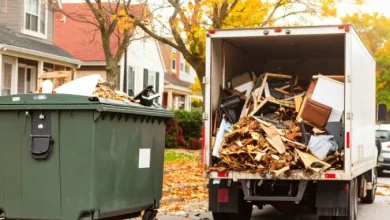


The average American household generates a staggering 5.9 pounds of trash every day, adding up to over a ton of waste each year. This massive amount of garbage contributes significantly to environmental degradation. But there are simple, manageable steps we can all take to reduce our household waste and live a more eco-friendly lifestyle. By focusing on reusing, reducing, and recycling, we can make a significant difference, one small step at a time.
1. Increase Your Recycling Efforts
Only about 1.5 pounds out of the 5.9 pounds of garbage produced each day are recycled. According to the EPA, 70% of our waste is recyclable, yet only 30% actually gets recycled. You can help close this gap by properly sorting and cleaning recyclables. While it may take a bit of extra time, it’s worth the effort to ensure that recyclable materials don’t end up in the trash. Familiarize yourself with local recycling guidelines to ensure you’re following the right procedures. Properly cleaned recyclables, such as glass, paper, and metal, can be reused and given a second life rather than lingering in a landfill.
2. Reduce Food Waste
Globally, around 1.3 billion tons of food are wasted annually, which is a third of the total food supply. Reducing food waste is one of the easiest ways to minimize your environmental impact. Start by buying only what you need and shopping for perishables as you use them. Properly store leftovers to extend their shelf life, or consider freezing excess food for later. Planning meals in advance can also help reduce over-purchasing. For food scraps, composting is an excellent way to repurpose waste and create nutrient-rich soil for gardens.
If composting isn’t an option at home, check if your community offers compost pickup services or consider donating your scraps to local farms. Using airtight containers or mason jars can also help prolong the freshness of your food, reducing the likelihood of wasting it.
3. Say Goodbye to Single-Use Items
Single-use products, like plastic bags, water bottles, and paper towels, account for a large portion of household waste. While they offer convenience, their environmental impact is significant. Switching to reusable alternatives, such as cloth bags, water bottles, and towels, can reduce your waste considerably. Not only will you help the environment, but you’ll also save money over time. Plus, keeping a reusable water bottle on hand ensures you stay hydrated while minimizing waste.
4. Choose Products with Minimal Packaging
How we spend our money influences the market. Opting for products with minimal or no packaging helps reduce the overall amount of waste generated. When consumers make it clear that they prefer packaging-free options, manufacturers are more likely to adjust their practices. Each time you choose a product with less packaging, you contribute to a larger shift toward more sustainable production methods.
5. Repair Instead of Discarding
In today’s consumer-driven world, it’s tempting to throw away broken items and buy new ones. However, many items can be easily repaired rather than discarded. Before tossing something out, consider whether it can be fixed. Whether it’s a broken toy, a damaged piece of clothing, or a malfunctioning appliance, repair can be a more eco-friendly option. Not only does it reduce waste, but it can also save you money in the long run. By investing in high-quality, durable products, you reduce the need for frequent replacements.
6. Unsubscribe from Junk Mail
Junk mail is an often-overlooked source of waste. In the U.S., over 100 million pieces of unsolicited mail are sent to households every year, which leads to significant waste of paper and resources. By taking a few minutes to unsubscribe from mailing lists, you can reduce the clutter in your mailbox and help save trees. While it may require some initial effort, the long-term reduction in waste is worth it.
7. Donate Instead of Discarding
If your home is overflowing with unused clothes, books, furniture, or other items, consider donating them instead of throwing them away. Many gently used items can be repurposed or resold, reducing the amount of waste going to the landfill. Donations to local charities or second-hand stores can benefit others while helping you declutter your space. Items like electronics, clothing, and furniture can find new homes, extending their life cycle and reducing waste.