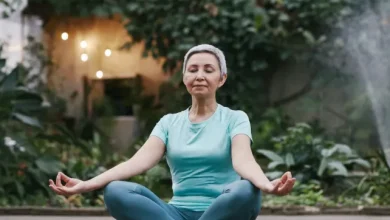


Emotional wellness is all about the ability to manage and regulate your emotions effectively. It’s about understanding how your emotions impact your actions and how to create a balance in your life that allows you to handle whatever comes your way with a calm, clear mind. Emotional wellness is key for overall health and it’s crucial to be able to identify, process, and manage emotions in a way that is healthy for both you and those around you.
But what does emotional wellness really mean? Essentially, it’s your ability to identify emotions as they arise, respond to them appropriately, and avoid letting them control your actions. Being emotionally well means you can handle stressful situations without losing control, and you know how to express yourself in a healthy way.
Here are some essential strategies to help you improve your emotional wellness:
1. Start Journaling
Journaling is a powerful tool for boosting emotional wellness. Writing down your thoughts helps you become more aware of your emotional state, and it can help you uncover patterns or triggers that affect your mood. Whether you choose free writing or specific prompts, journaling allows you to express your emotions and reflect on your day in a safe space.
2. Check In With Yourself Regularly
Taking a moment throughout the day to check in with how you’re feeling can be a game changer. Pause and ask yourself, “How am I really feeling right now?” Try to notice your emotions and any physical tension in your body. This quick reflection can help you clear away any lingering emotional residue and shift your mindset, making it easier to move on with your day.
3. Keep a Coping Skills Card
When emotions run high, it can be hard to remember your go-to coping strategies. To combat this, write down your most helpful coping mechanisms on a small card and keep it with you. Whether it’s deep breathing, calling a friend, or going for a walk, having this list on hand can be an invaluable resource in moments of stress.
4. Set Boundaries With Social Media
Social media can have a major impact on our emotional state, often in ways we don’t even realize. Whether it’s negative posts or feeling left out, social media can trigger unwanted emotions. Consider setting boundaries for yourself—like limiting screen time or unfollowing accounts that don’t make you feel good. This will help protect your emotional wellness and reduce unnecessary stress.
5. Consider Therapy
Therapy can provide a safe, supportive space to explore your emotions. A therapist can help you identify your emotional triggers, challenge negative thought patterns, and guide you toward more effective coping strategies. If you’re unsure where to start, many therapists offer initial consultations, so don’t hesitate to reach out.
6. Be Mindful of Your Thoughts
Sometimes, we don’t even realize how much negative self-talk or unhelpful thoughts influence our emotions. Becoming more aware of these thoughts is the first step in changing them. Techniques like cognitive behavioral therapy (CBT) can help you challenge negative patterns. Start by asking yourself: “What purpose does this thought serve? How is it affecting me?”
7. Practice Mindfulness
Mindfulness is the art of staying present in the moment. It helps you become more attuned to your emotions and respond thoughtfully rather than react impulsively. Mindfulness practices like meditation can increase emotional awareness and help prevent outbursts. You can also practice mindfulness while doing everyday tasks—such as eating, walking, or even during your commute.
8. Plan Positive Experiences
It’s easy to get caught up in the stress of daily life, but making room for enjoyable experiences is crucial for emotional well-being. Whether it’s spending time with loved ones, going for a nature walk, or simply enjoying a cup of coffee in peace, planning moments that bring you joy can uplift your mood and reduce stress.
Improving your emotional wellness is a journey, but with consistent practice and reflection, it’s entirely achievable. By incorporating these strategies into your daily life, you’ll be better equipped to handle the ups and downs that come your way, leading to a more balanced and fulfilling life.