
A Beginner’s Guide to Seasonal Eating for Health and Sustainability

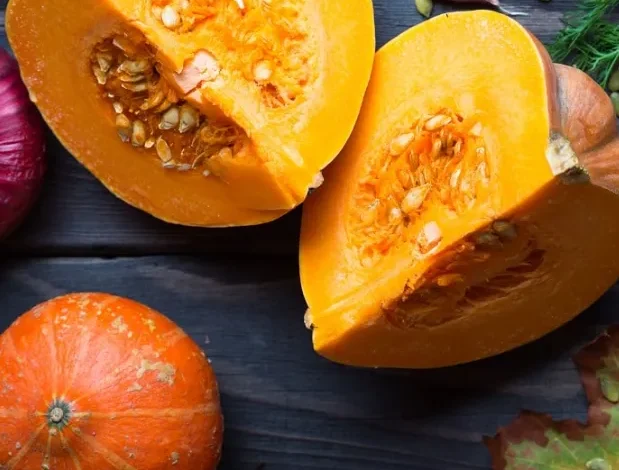
Eating in harmony with nature is one of the simplest ways to support your health and the environment. By embracing seasonal eating, you align your diet with the natural rhythms of the earth, nourishing your body with fresh, nutrient-dense produce while contributing to sustainability. This guide explores the benefits of seasonal eating, why it’s so important, and how you can incorporate it into your lifestyle easily.
What is Seasonal Eating?
At its core, seasonal eating involves consuming fruits and vegetables that are harvested during the time of year they naturally grow. For instance, strawberries peak in spring, tomatoes shine in summer, and root vegetables, like carrots and potatoes, are at their best during fall and winter. Eating seasonally means enjoying the freshest produce, packed with flavor and nutrients, straight from the earth.
Seasonal eating is deeply connected to our history, as people have long relied on the rhythms of nature for their food. With the rise of global food trade, it’s easy to get produce year-round, but reconnecting with the seasons offers several benefits for your health and the planet.
Why Should You Eat Seasonally?
- Better Nutrition: Seasonal produce is fresher and often more nutrient-dense than out-of-season fruits and vegetables that have been stored or transported over long distances. Fresh, locally-grown produce tends to have more antioxidants and vitamins, giving your body a natural boost.
- Environmental Impact: By eating what’s in season, you reduce the carbon footprint of your meals. Foods that aren’t in season often require long-distance travel or energy-intensive farming practices. Choosing local, seasonal options helps minimize these environmental costs.
- Supporting Local Communities: Buying from local farmers and farmer’s markets supports the local economy and promotes sustainable farming practices. It also helps preserve local agricultural traditions and reduces the reliance on large-scale industrial farming.
- Diverse and Balanced Diet: Eating seasonally introduces variety into your meals, encouraging you to try new ingredients and recipes. Seasonal eating also supports a balanced diet by naturally incorporating more whole foods that align with your body’s needs throughout the year.
How to Start Eating Seasonally
Adopting seasonal eating is easier than you think. Though it might require some initial effort to get familiar with what’s available in your area, soon enough it will become second nature. Here are some simple steps to help you get started:
- Learn What Grows Locally: Start by understanding what fruits and vegetables grow in your area and when. Visit local farmer’s markets to see what’s in season, or look up seasonal food guides for your region.
- Grow Your Own: If you have the space, consider growing your own fruits and vegetables. Even a small balcony or windowsill can support a garden of herbs or salad greens. Plus, growing your own produce ensures it’s free from pesticides and chemicals.
- Plan Your Meals Around the Seasons: To make the switch easier, plan your meals according to what’s in season. Meal prepping can help you stay on track and avoid reverting to out-of-season produce. This also saves you time and ensures you’re eating nutrient-rich meals.
- Experiment with New Recipes: Explore different cuisines and discover new flavors that reflect the seasons. Trying out recipes from other cultures or adding unfamiliar ingredients can make your meals more exciting and diverse.
Seasonal Eating and Personal Well-Being
Seasonal eating isn’t just about food; it’s also a way to connect with your body’s natural rhythms. One interesting approach is cycle syncing, which involves aligning your meals with both the seasons and the phases of your menstrual cycle. For example, you can enjoy root vegetables during your inner autumn phase and lighter, leafy greens in your menstrual spring. This alignment promotes physical and emotional harmony as you embrace the changing seasons.
Tips for Eating Seasonally on a Budget
Eating seasonally doesn’t have to break the bank. If you’re in an area where local produce is less accessible or more expensive, consider the following:
- Start Small: Begin by purchasing just one or two seasonal items each week. Gradually increase as your budget allows, and focus on what’s available locally and affordably.
- Support Local Festivals: Attend local farmer’s markets or food festivals. Many regions have events celebrating local produce, where you can find good deals on seasonal items.
- Buy in Bulk or Preserve: During peak seasons, buy in bulk and preserve produce for later use. Canning, freezing, or drying fruits and vegetables allows you to enjoy them throughout the year.
Seasonal Eating is for Everyone
Regardless of your diet, seasonal eating is a holistic approach to connecting with the natural world. By choosing to eat what’s in season, you’re not only nourishing your body but also contributing to the planet’s well-being. You’re supporting local economies, reducing your environmental impact, and celebrating the abundance of nature as it changes throughout the year.
Eating seasonally isn’t just a trend; it’s a sustainable, mindful way of living that offers numerous benefits to your health and the earth. Whether you’re cooking at home or shopping at the farmer’s market, embracing the rhythms of nature through your meals is a rewarding journey you can start today.