
Creating a Workout Routine with Minimal Equipment: A Simple Approach for Maximum Results

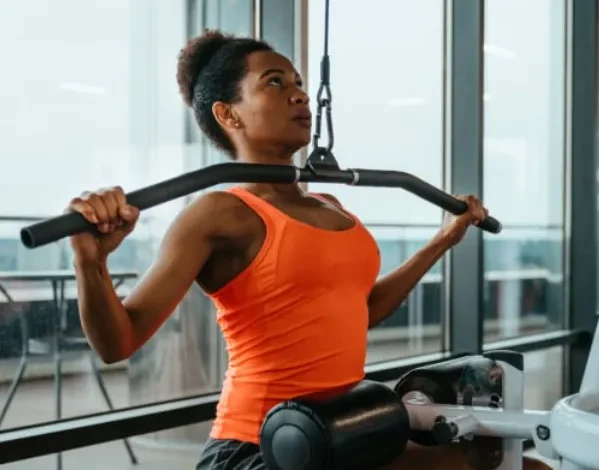
When it comes to fitness, many people believe they need a gym full of equipment to achieve their goals. But that’s simply not the case. A well-rounded workout routine can be created with minimal equipment, or even just your body weight, making it both accessible and cost-effective. Whether you’re an experienced athlete or just getting started, incorporating a minimal equipment approach can be just as effective as using a fully equipped gym.
If you’re looking to update your fitness routine, you don’t need a ton of fancy gear. By focusing on simple yet effective exercises, you can create a balanced workout that targets all areas of fitness—strength, endurance, flexibility, and mobility—without the need for a gym. Let’s dive into how to build a balanced workout routine using minimal equipment.
What Does a Balanced Workout Look Like?
A balanced workout involves a mix of exercises that address different components of fitness. These include strength, cardiovascular fitness, flexibility, and mobility. By incorporating these elements into your routine, you create a well-rounded approach that not only improves your physical capabilities but also keeps your workouts interesting and varied.
With minimal equipment, you can easily target these components:
- Strength Training: Use bodyweight exercises or light weights to build muscle. Examples include squats, lunges, and push-ups.
- Cardio: Get your heart rate up with movements like jumping jacks, high knees, or burpees.
- Flexibility and Mobility: Incorporate stretching, yoga, or dynamic warm-ups to improve your range of motion.
With just a few simple tools like resistance bands or dumbbells, or even just your own body weight, you can build a routine that fits your needs and can be done anywhere—at home, in the park, or even while traveling.
Benefits of Minimal Equipment Workouts
Why should you consider a workout routine with minimal equipment? The advantages are clear:
- Convenience: You can work out anywhere, without needing to travel to a gym or invest in expensive equipment.
- Cost-Effective: Save money by eliminating the need for a gym membership or costly fitness gadgets. A set of dumbbells or resistance bands is all you need to get started.
- Flexibility: Whether you have 20 minutes or an hour, you can adjust your workout to fit your schedule and environment.
- Creativity: With limited equipment, you’ll have to get creative and find new ways to challenge yourself, which helps keep your routine fresh.
By embracing a minimal equipment approach, you can simplify your fitness journey while staying motivated and consistent.
Key Components of a Minimal Equipment Workout
When designing your minimal equipment workout, it’s important to structure it in a way that ensures a full-body approach. Here’s a basic framework to follow:
- Warm-Up: Always start with a dynamic warm-up to get your body ready. Arm circles, leg swings, and light jogging in place work wonders.
- Strength Circuit: Select 3-5 bodyweight exercises or light weights. Perform each exercise for 30-60 seconds, followed by a short rest. Repeat the circuit 2-3 times.
- Cardio Burst: Add a cardio burst, such as a minute of burpees or mountain climbers, to elevate your heart rate and improve cardiovascular endurance.
- Cool Down: Finish with static stretching to enhance flexibility and aid recovery. Hold each stretch for 15-30 seconds.
By including these key elements, you’ll have a balanced workout that supports all aspects of fitness, even with minimal equipment.
Crafting a Smart Workout for Your Fitness Goals
Creating a minimal equipment workout requires smart choices that align with your personal fitness goals. Whether you’re aiming to build strength, improve endurance, or increase flexibility, your workout should target those specific goals.
Here’s how to structure your workout effectively:
- Choose Compound Movements: These exercises work multiple muscle groups at once, providing more efficient results. Squats, push-ups, and lunges are excellent options.
- Incorporate Cardio: High-intensity intervals, such as jumping jacks or burpees, help boost cardiovascular fitness.
- Don’t Skip Core Work: Planks, Russian twists, and bicycle crunches are essential for strengthening your core.
- Add Variety: Rotate your exercises every few weeks to keep your routine exciting and challenge your body in different ways.
By carefully selecting exercises that align with your goals, you can build a workout that is both effective and enjoyable.
Structuring Your Workout Schedule
Consistency is key when it comes to fitness. To make the most of your minimal equipment workouts, it’s essential to have a structured schedule. Here are some tips for creating a workout plan that works for you:
- Set a Weekly Schedule: Aim for 3-5 workout sessions per week. A consistent schedule will help you stay on track.
- Balance Your Workouts: Alternate between strength training, cardio, and flexibility work. For example, strength training on Mondays and Thursdays, cardio on Tuesdays and Saturdays, and flexibility on Wednesdays and Sundays.
- Time Your Sessions: Each workout can be short—20 to 30 minutes—if you focus on intensity. Short but effective sessions are key to making progress.
- Listen to Your Body: If you’re feeling sore or tired, allow yourself a rest day or opt for a lighter workout. Recovery is just as important as the workout itself.
- Track Your Progress: Keep a journal or use a fitness app to log your workouts and track improvements over time.
By structuring your routine thoughtfully, you’ll stay consistent and motivated.
How to Progress in Minimal Equipment Workouts
As you become more accustomed to your minimal equipment workouts, it’s important to progress to continue challenging yourself. Here are some tips for taking your workouts to the next level:
- Increase Intensity: Gradually make your exercises more challenging by adding reps, reducing rest time, or trying more advanced variations.
- Add Resistance: Incorporate light weights or resistance bands to intensify your strength training.
- Focus on Form: Prioritize proper form to maximize effectiveness and avoid injury.
- Set New Goals: Whether it’s increasing the number of push-ups you can do or improving your endurance, having clear goals will keep you motivated.
- Celebrate Progress: Acknowledge your milestones, no matter how small, to stay motivated and encouraged.
Essential Exercises for a Minimal Equipment Routine
Now that you know how to structure your workout, let’s look at some essential exercises that can be done with minimal equipment.
Bodyweight Exercises for Strength:
- Push-Ups: Target your chest, shoulders, and triceps. Do 3 sets of 8-12 reps.
- Squats: Focus on your legs and glutes. Perform 3 sets of 10-15 reps.
- Lunges: Great for balance and strength. Alternate legs for 3 sets of 10 reps each.
- Planks: Strengthen your core with 3 sets, holding for 20-30 seconds.
Cardio Options:
- High Knees: Great for getting your heart rate up. Do 30 seconds of high-intensity effort followed by 30 seconds of rest.
- Burpees: A full-body workout. Aim for 3 sets of 8-10 reps.
- Jumping Jacks: A simple but effective exercise for warming up or adding to your routine. Do for 1 minute, followed by 30 seconds of rest.
- Mountain Climbers: Excellent for boosting cardio and engaging your core. Do for 30 seconds of high intensity followed by 30 seconds of rest.
Flexibility and Mobility:
- Dynamic Stretching: Include movements like leg swings and arm circles before your workout to warm up.
- Static Stretching: After your workout, hold stretches for 15-30 seconds to improve flexibility.
- Yoga or Pilates: Consider incorporating a yoga session for overall flexibility and core strength.
- Foam Rolling: Use a foam roller to release tight muscles and improve mobility after your workout.
Conclusion
A minimal equipment workout routine is an excellent way to stay fit without the need for a gym. By focusing on bodyweight exercises, cardio, and flexibility work, you can build a well-rounded fitness plan that fits seamlessly into your lifestyle. Keep things varied, stay consistent, and celebrate your progress along the way. Fitness is a journey, and with the right mindset, minimal equipment workouts can lead to maximum results!