

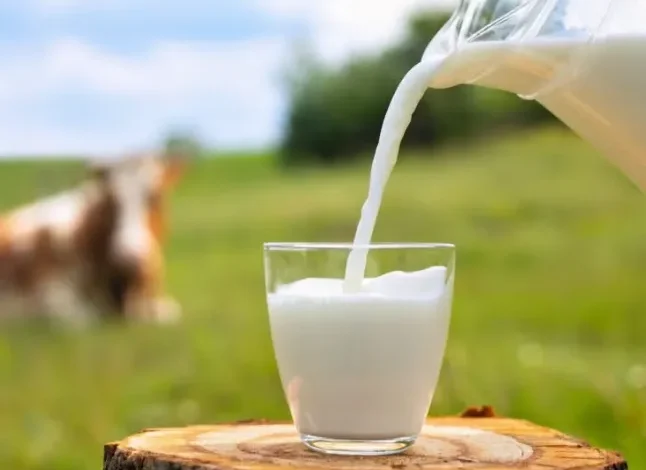
Few foods spark as much debate as dairy. Depending on who you ask, milk and cheese are either everyday essentials, nutritional powerhouses, or something humans were never meant to consume in the first place. With so much conflicting advice, it’s worth taking a closer look at what dairy really is, how our bodies process it, and what to consider if you decide to include it in your diet.
What Counts as Dairy?
When we talk about dairy, we’re usually referring to milk from cows and the products made from it—like cheese, butter, yogurt, and ice cream. While people around the world also consume milk from goats, sheep, and even camels, cow’s milk is the most widely available in the United States and the basis of most discussions about dairy and health.
Why Humans Started Drinking Milk
Milk is nature’s way of feeding young mammals. Like other animals, humans produce it to nourish infants, and for most of history, that was its sole purpose. But roughly 10,000 years ago, when humans began domesticating animals, we also began drinking their milk. Over time, some populations developed the ability to digest it beyond childhood—a genetic adaptation that remains today in certain groups but not others.
Lactose Intolerance Explained
Milk contains lactose, a sugar that requires an enzyme called lactase for digestion. Babies produce plenty of lactase, but most people naturally stop making it after early childhood. Without lactase, drinking milk can cause bloating, cramps, gas, and other digestive discomforts.
Still, populations with a long history of dairy farming—particularly in Europe—developed genetic traits that allow many adults to keep producing lactase. This is why lactose intolerance is much more common in parts of Asia and Africa, while many Europeans digest dairy with fewer issues. In the U.S., about 40% of the population is thought to be lactose intolerant.
Is Dairy Healthy?
The answer depends on several factors: your genetics, the type of dairy you consume, and how it’s produced. Here are some important considerations:
Go organic when possible
Chemicals and toxins tend to accumulate in animal fat, which means they can show up in milk. Choosing organic reduces exposure to pesticides, synthetic hormones, and antibiotics.
Grass-fed is better
Cows are meant to eat grass, not corn or soy-based feed. Studies show that grass-fed dairy is richer in omega-3 fatty acids and vitamin D compared to conventional dairy.
Skip the hormones
Synthetic hormones such as rbGH are sometimes used to increase milk production. While banned in several countries, they’re still legal in the U.S. Concerns include both animal welfare and potential links to certain cancers.
Don’t fear the fat
Whole milk and other full-fat dairy products may actually be more beneficial than their fat-free counterparts. The natural fats help your body absorb fat-soluble vitamins and may protect against conditions like insulin resistance and unhealthy cholesterol levels.
Raw vs. pasteurized
Pasteurization kills harmful bacteria but also destroys some beneficial enzymes. Raw milk can offer more nutrients but carries risks if not handled carefully. For most people, pasteurized milk is the safer option, though those with access to high-quality raw dairy may choose otherwise.
Think about animal welfare
Beyond nutrition, how cows are treated is an important ethical factor. Large factory farms often keep animals in poor conditions, while smaller farms may allow cows to graze and live more naturally. Supporting humane farming practices benefits both the animals and, arguably, the quality of the milk itself.
Making the Best Choice for You
If your body tolerates dairy, the healthiest approach is to be selective about the type you buy. Look for organic, grass-fed options, and consider keeping at least some fat in your milk and cheese for better nutrient absorption. If you’re interested in raw dairy, only purchase from trusted local farms and consume it quickly. And finally, be mindful of the farming practices behind the products you choose to support.
For those who are lactose intolerant—or simply prefer to avoid dairy altogether—there are plenty of alternatives available. But for those who do enjoy it, the key is choosing carefully and consuming it in ways that work best for your body.