
Not long ago, most families had a direct connection to their food. People grew vegetables in their gardens, raised their own livestock, or bought fresh meat and produce from nearby farms. With the rise of industrial farming and global food distribution, that connection has faded. Now, it’s possible to buy strawberries in December or avocados in January—but this convenience comes with hidden costs to our health, our wallets, and the environment.
Seasonal eating is about realigning our diets with the natural cycles of food production. At its core, it means enjoying fruits and vegetables at the time of year when they naturally grow in abundance.
Why Eating Seasonally Matters
Richer flavors
If you’ve ever compared a juicy farmers’ market peach to a supermarket peach shipped from across the globe, you already know the difference. Produce harvested at peak ripeness tastes fresher and more vibrant because it hasn’t spent weeks traveling or been treated with artificial ripening agents.
Nutritional benefits
Food that is harvested in season tends to contain more vitamins and minerals. For example, broccoli grown in its natural fall season can provide higher levels of vitamin C compared to broccoli harvested at other times of the year. Seasonal produce also reduces your exposure to preservatives and coatings often used to keep out-of-season fruits and vegetables looking fresh on supermarket shelves.
Encourages variety
When you eat with the seasons, your diet naturally shifts throughout the year. Spring greens help cleanse the body after winter, summer berries are rich in antioxidants, and winter root vegetables provide hearty nourishment. This rotation supports a balanced intake of nutrients and keeps meals interesting.
Cost savings
Abundance lowers prices. When crops are in season locally, they are often cheaper because farmers and distributors don’t need to rely on expensive storage or long-distance shipping.
Support for local farmers
Shopping seasonally at farmers’ markets or through community-supported agriculture (CSA) programs helps keep money in your local economy while giving you access to fresher, higher-quality produce.
Environmental impact
Transporting out-of-season produce across long distances requires fuel and contributes to greenhouse gas emissions. Choosing food grown closer to home reduces your carbon footprint.
What’s in Season?
The exact timing depends on where you live, but here’s a general guide:
- Spring: asparagus, spinach, peas, radishes, rhubarb
- Summer: berries, cucumbers, peaches, tomatoes, zucchini, fresh herbs
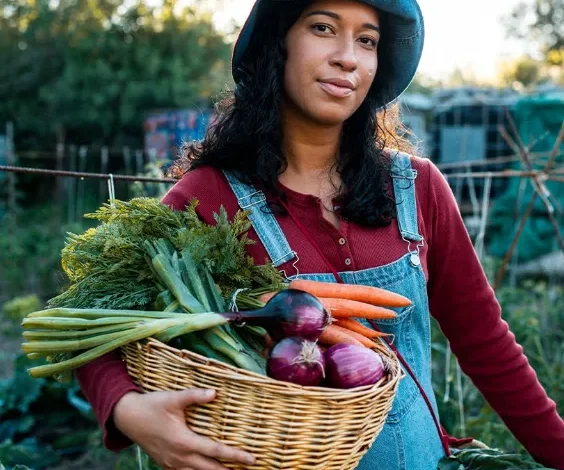
- Fall: apples, broccoli, carrots, sweet potatoes, cabbage, beets
- Winter: storage crops like squash, onions, leeks, potatoes, and citrus fruits
When something you love isn’t in season, frozen options are a smart alternative. Fruits and vegetables are typically frozen at peak ripeness, preserving both flavor and nutrients.
Where to Find Seasonal Foods
- Farmers’ markets: A direct source for freshly harvested produce and other local goods.
- CSAs (Community Supported Agriculture): Subscribe to a farm’s seasonal harvest and receive regular boxes of mixed produce. It’s a great way to try new vegetables you might not normally buy.
- Food co-ops: Member-run markets that focus on organic and sustainable foods, often from nearby farms.
- Your own garden: Even a few pots of herbs or greens can give you fresh ingredients and a closer connection to your food.
- Farm-to-table restaurants: Many local eateries now build their menus around seasonal availability, offering dishes that reflect the flavors of the moment.
Getting Started
To begin eating seasonally, pay attention to what’s abundant at local markets and adjust your meals accordingly. Try building recipes around seasonal produce rather than forcing out-of-season favorites into your weekly rotation. Experiment with new flavors, preserve what you can for later months, and embrace the natural rhythm of the seasons.
By making small changes to the way we shop and eat, we can enjoy fresher flavors, better nutrition, and a healthier planet—while also supporting the farmers who grow our food.