

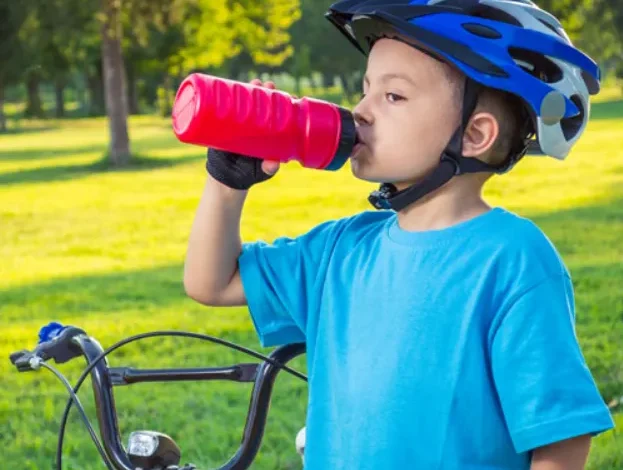
Summer brings sunshine, outdoor adventures, and a chance to get active, but with that comes an increased risk of head injuries, particularly concussions. Sports such as soccer, baseball, and biking are exciting, but they also come with their own set of risks. Understanding how to stay safe, recognize the signs of a concussion, and know when to seek medical help can make all the difference for you and your family.
Understanding the Risks of Summer Sports
Each year, an estimated 1.6 to 3.8 million concussions are linked to sports and recreational activities. Some of the most popular summer sports come with significant risks for head injuries:
- Baseball/Softball: Around 25% of high school concussions are caused by fielding a batted ball.
- Bicycling: Each year, bicycles account for about 80,000 ER visits due to head injuries, with one-third of nonfatal bike injuries affecting the head.
- Soccer: High school soccer players experience more concussions than athletes in baseball, basketball, or wrestling combined, with girls facing a similar risk as boys in football.
While helmets offer some protection, they are not foolproof when it comes to preventing concussions. They can reduce the risk of severe head injuries like skull fractures, but concussions can still occur. To maximize helmet effectiveness, ensure it fits properly, choose the right one for the activity, and replace it after any impact.
Spotting the Signs of a Concussion
Concussions don’t always involve a loss of consciousness—less than 10% of concussions involve blacking out. Keep an eye out for these warning signs:
- Headache, dizziness, or nausea
- Confusion, feeling “foggy,” or slowed-down thinking
- Mood swings, irritability, or difficulty sleeping
If you notice these symptoms following a fall, collision, or accident, it’s possible that a concussion has occurred.
Why Early Evaluation is Crucial
Although many concussions are mild, it’s important to get a medical evaluation to rule out more serious conditions like brain bleeding or skull fractures. A visit to the ER allows medical professionals to:
- Assess and monitor the severity of the injury
- Rule out severe injuries and prevent complications
- Provide a personalized recovery and return-to-activity plan
Staying Safe with Smart Summer Gear
While summer is about fun, playing it safe is just as important. Here’s how you can protect your family during active play:
- Always ensure your child wears the proper helmet for activities like biking, skating, and playing baseball.
- Keep an eye on kids during sports and active play to catch any potential injuries early.
- Teach safe play habits like avoiding head-first slides and unnecessary body collisions.
- Encourage children to speak up if they experience a head injury or feel unwell after a fall.
- Set a good example by wearing your helmet and ensuring it’s properly maintained.
According to the CDC, kids who play tackle football experience significantly more head impacts than those who play flag football. Limiting contact or following safe play rules can reduce the risk of head injuries.
When to Visit Physicians Premier
If your child has experienced a significant blow to the head or displays any of the following symptoms, it’s crucial to visit an emergency facility:
- Symptoms of concussion that worsen over time
- Confusion, vomiting, uneven pupils, or drowsiness
Physicians Premier offers 24/7 care at all locations, ensuring immediate evaluation and treatment to safeguard your child’s well-being.
Tips for Supporting Recovery
After a concussion, rest is essential. Start with short breaks followed by light activities, gradually increasing as symptoms improve. Here are some key steps to ensure a safe recovery:
- Track symptoms: Keep notes on issues such as sleep disturbances, mood changes, memory lapses, or balance problems.
- Follow a return-to-activity plan: Don’t allow your child to return to sports until a healthcare professional gives the green light. Returning too soon increases the risk of further injury.
- Stay in the loop: Make sure teachers, coaches, and caregivers are informed of your child’s recovery plan to help ease their return to normal activities.
Make Summer Fun and Safe
Summer sports are a great way for kids to stay active, build confidence, and create lasting memories. Whether it’s a pick-up game at the park, a family bike ride, or swimming in the pool, being active together is vital for your family’s health and happiness.
By focusing on safety—wearing helmets, following simple safety rules, recognizing the signs of concussions, and knowing when to seek medical help—you can ensure your family enjoys a fun, injury-free summer. Stay aware, stay safe, and create memories that will last a lifetime.