

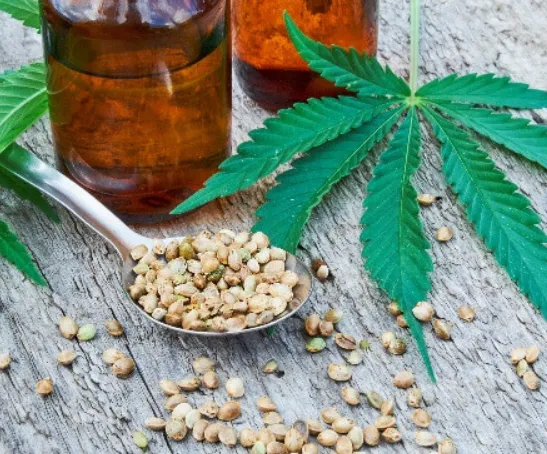
CBD, or cannabidiol, has become one of the most talked-about health trends in recent years. Derived from the cannabis sativa plant, CBD products are gaining popularity due to their potential to provide relief from conditions like anxiety, chronic pain, and more. But with all the buzz, it’s important to understand what CBD really is, how it works, and whether it’s a safe and effective option for improving your well-being.
What is CBD?
CBD is a natural compound found in the cannabis sativa plant. Unlike its cousin THC, which is the psychoactive component in marijuana, CBD is non-intoxicating, meaning it won’t get you “high.” Most CBD products are made from hemp, a variety of cannabis sativa that contains only trace amounts of THC—typically less than 0.3%. This makes CBD an appealing option for people looking for the therapeutic benefits of cannabis without the mind-altering effects.
CBD works by interacting with the body’s endocannabinoid system (ECS), a complex network of receptors that regulates several critical functions, including mood, memory, sleep, and immune response. When your body’s natural cannabinoids are out of balance, CBD can help supplement them and restore equilibrium, which may contribute to improved health.
Does CBD Get You High?
No, CBD will not cause a high. Because it contains negligible amounts of THC, it does not produce the psychoactive effects commonly associated with marijuana use. In fact, CBD is often used to counteract some of the negative effects of THC, such as anxiety or paranoia.
Is CBD Legal?
Yes, CBD derived from hemp is federally legal in the United States, as long as it contains no more than 0.3% THC. This means you can legally purchase CBD products in all 50 states, though some states may have additional regulations.
Is CBD Safe?
For most people, CBD is considered safe to use. However, like any supplement, it can interact with other medications, so it’s always wise to consult with your healthcare provider before starting CBD. Additionally, while CBD has been studied for its effects on conditions like epilepsy, there’s still limited research on its use during pregnancy or breastfeeding. It’s also not recommended for children unless prescribed by a doctor.
One important thing to note is that some CBD products may contain trace amounts of THC, which could show up on a drug test. The likelihood of this happening depends on the product, how often you use it, and your body’s ability to process CBD.
Health Benefits of CBD
CBD is widely used for various health benefits. Although more research is needed, clinical studies have shown that CBD can:
- Relieve Pain: CBD is effective in reducing pain, particularly chronic pain and inflammation. It works by interacting with receptors in the brain and immune system that control pain response.
- Reduce Anxiety and Depression: Several studies suggest that CBD may help alleviate symptoms of anxiety and depression by influencing serotonin receptors in the brain, leading to improved mood and stress relief.
- Clear Acne: CBD’s anti-inflammatory properties may help reduce acne by calming the skin and reducing the production of sebum.
- Support Heart Health: Some research indicates that CBD can lower blood pressure and reduce inflammation, which can contribute to better cardiovascular health.
- Assist with Cancer Symptoms: CBD has shown promise in reducing the side effects of cancer treatments, such as nausea, vomiting, and pain.
- Possibly Prevent Cancer Spread: While still under investigation, animal studies have suggested that CBD may help prevent the spread of certain types of cancer, including breast and prostate cancer.
- Aid Neurological Health: CBD has neuroprotective properties, making it useful for treating neurological disorders such as epilepsy and multiple sclerosis. In fact, the FDA has approved one CBD-based drug for the treatment of severe forms of epilepsy.
While these benefits are promising, the most common uses for CBD today are for managing anxiety, chronic pain, and stress. People typically take CBD in oil or capsule form, while topical creams are used for localized pain relief.
Potential Risks of CBD
CBD is generally well-tolerated, but it can cause side effects in some people. The most common side effects are fatigue, diarrhea, and changes in appetite. These side effects are typically mild and go away after a short period of use.
However, the most significant concern with CBD is its potential interaction with other medications. CBD can interfere with drugs that are metabolized by the liver, so it’s crucial to consult a doctor before using CBD if you take prescription medications.
How to Choose Safe CBD Products
Not all CBD products are created equal. Some may contain less CBD than advertised, while others might contain harmful additives like pesticides or heavy metals. To ensure you’re getting a safe, effective product, here are some tips for shopping for CBD:
- Look for third-party testing: Reputable brands will have their products tested by an independent lab to verify their CBD content and ensure they’re free of harmful contaminants.
- Consider full-spectrum CBD: Full-spectrum CBD contains a range of cannabinoids from the hemp plant, which work together to enhance CBD’s effects. This is often referred to as the “entourage effect.”
- Check for additives: Be aware of the additives used in CBD products, such as carrier oils or flavorings. Make sure these additives are natural and free from harmful chemicals.
- Know your THC content: If you’re concerned about consuming THC, ensure the product clearly states its THC content. Most CBD products from hemp contain minimal THC, but it’s important to double-check.
Final Thoughts
CBD offers a promising range of health benefits, from easing anxiety and pain to supporting heart and skin health. However, as with any supplement, it’s important to use CBD responsibly and consult with a healthcare professional before incorporating it into your wellness routine. Always opt for high-quality products that are tested for purity and potency to ensure you’re getting the most out of your CBD experience.