
Have you ever wondered how long it really takes for trash to break down? We often hear that Styrofoam never decomposes and plastic takes hundreds or even thousands of years to break down. But is this true? The truth is, some materials take a very long time to decompose, and others never truly break down, especially in landfills where conditions aren’t ideal. Understanding how long various types of trash take to decompose is essential for making informed choices about waste disposal and reducing our environmental impact.
Decompose vs. Biodegrade vs. Photodegrade
When we talk about waste, we often use terms like “decompose” and “biodegrade,” but they don’t mean the same thing. Decomposition refers to the physical process of breaking down materials into smaller parts, while biodegradation specifically involves natural organisms, like bacteria, breaking down organic matter into simpler compounds. Some items, like plastics and glass, are non-biodegradable, meaning they don’t decompose naturally.
Photodegradation is a specific type of decomposition where materials break down when exposed to sunlight. For example, plastic exposed to UV rays can become brittle and break into smaller pieces over time.
How Long Does Trash Take to Biodegrade?
The time it takes for various items to decompose depends on the material. While some things can break down in a matter of weeks or months, others take centuries. Here’s an overview of how long it takes for common household items to decompose:
Items That Decompose in 100 Years or Less:
- Paper towels: 2-4 weeks
- Newspaper: 2-4 weeks
- Cotton shirt: 3-6 months
- Plywood: 1-3 years
- Disposable diaper: 10-20 years
- Plastic bag: 10-20 years
- Leather: 50 years
- Nylon: 30-40 years
Some items, like a cotton shirt, can decompose in about 3-6 months, which is roughly the time it takes to build a house. Paper towels break down quickly, in just a few weeks, while plastic bags linger for up to 20 years!
Items That Take Over 100 Years:
- Aluminum can: 200-400 years
- Plastic bottle: 450 years
- Monofilament fishing line: 600 years
- Glass bottle: Thousands to millions of years
- Styrofoam: Never fully decomposes
Items like plastic bottles and aluminum cans take hundreds of years to decompose, and glass bottles can last thousands or even millions of years in landfills. Styrofoam, on the other hand, never fully decomposes.
Organic Materials and Decomposition
Organic materials like food waste decompose more quickly than plastics and metals because they’re broken down by microorganisms in landfills. The decomposition of food waste depends on the material and landfill conditions. For example, vegetables typically take 5 days to 1 month to decompose, while fruit peels take around 1 month, though orange peels may take over 6 months. Surprisingly, lettuce can take up to 25 years to decompose!
Composting food waste is an environmentally friendly alternative to landfill disposal, as it produces less methane, a harmful greenhouse gas.
Meat and Dairy Decomposition:
Meat and dairy products take significantly longer to decompose. For example, cheese may take up to four years, while beef and pork meat decompose in about two years. Animal bones can take between 10 and 1,000 years to break down.
How Do We Know It Takes This Long?
The decomposition times mentioned above are based on scientific observations and tests. Researchers place items like paper towels or apple cores in environments with rich microbial activity to measure the amount of carbon dioxide produced during decomposition. Items that take hundreds of years to decompose, such as plastic bags or aluminum cans, don’t produce CO2 because microorganisms don’t recognize these materials as food.
What Happens in a Landfill?
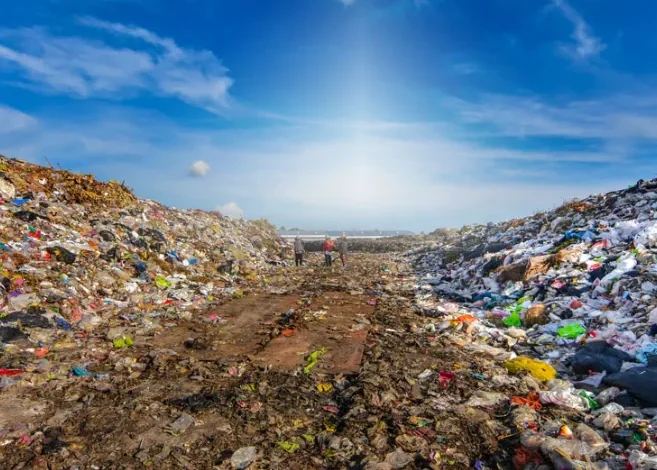
Landfills are designed to store waste, not break it down. Modern landfills use clay and rubber liners to prevent liquids from leaking into the soil and groundwater. When a landfill reaches its capacity, it’s covered with soil and plants. However, due to the lack of oxygen and sunlight, decomposition occurs very slowly.
What Can We Do?
Given that many everyday products take an extremely long time to decompose, it’s essential that we find ways to reduce our waste and use materials that are more environmentally friendly. For example, switching to reusable shopping bags instead of plastic bags or using a refillable water bottle can help cut down on waste. By making conscious choices about the products we buy and how we dispose of them, we can reduce our impact on the planet and create a more sustainable future.