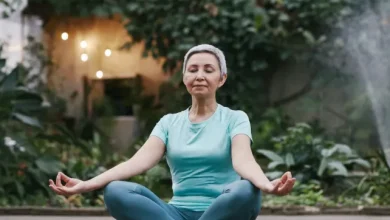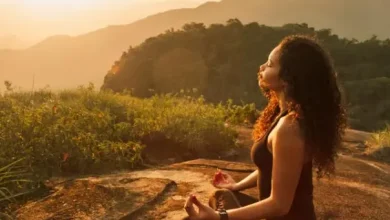

Stress is a natural response that helps us protect ourselves from danger, whether real or imagined. It’s a vital part of our survival instinct, but the problem arises when we don’t properly manage it, leaving ourselves stuck in a cycle of chronic stress. Our bodies are designed to return to a calm state once a threat passes, but many of us experience ongoing stress without a clear resolution, which can take a serious toll on our health.
Understanding the Stress Cycle
The stress cycle consists of several phases:
- Neutral state: Before any threat is detected.
- Beginning: A threat is recognized.
- Middle: The fight or flight response kicks in.
- End: The threat is over, and the body returns to a calm state.
In the past, when early humans faced a life-threatening situation, such as encountering a predator, their bodies would go into high alert, and once the danger passed, the stress response would end. The threat was clear, and so was the resolution.
However, today’s stressors are less obvious—deadlines, financial pressures, and personal struggles tend to keep us in a continuous state of perceived threat. Unlike the danger from a wild animal, these stresses don’t have a distinct end point, meaning many people stay stuck in a heightened state of alert. Even if the external stressor goes away, the stress cycle may remain open if we don’t take steps to close it.
The Impact of Chronic Stress
When the stress response is not completed and the cycle remains open, it keeps the body in a constant state of fight or flight. Over time, this can lead to serious health problems, both mental and physical. Chronic stress can contribute to anxiety, depression, sleep disturbances, fatigue, headaches, irritability, digestive issues, and weight fluctuations, among other symptoms.
Closing the Stress Cycle: What Can You Do?
So, how do we close the stress cycle when the stressor doesn’t just disappear? According to Emily Nagoski and Amelia Nagoski, authors of Burnout: The Secret to Unlocking the Stress Cycle, physical activity is one of the most effective ways to close the loop. They recommend getting at least 20 to 60 minutes of physical activity each day to combat the daily stressors we face.
The best part? Any kind of movement counts—walking, dancing, yoga, or even stretching can help activate the body’s relaxation response. If you’re not into intense exercise, don’t worry. The key is to get your body moving in a way that helps you breathe more deeply and releases built-up tension.
But physical activity isn’t the only way to address the stress cycle. The Nagoskis also suggest other methods, including:
- Breathing exercises: While it might seem simple, focused breathing can be a powerful way to reduce stress. Try deep breathing exercises that encourage calmness and help reset the nervous system.
- Feel-good social interactions: Engaging in lighthearted social moments, like complimenting someone or sharing a funny story, can help you shift your focus and release some of that stress.
- Laughter: Genuine laughter is a natural stress reliever. Whether you’re laughing at a silly joke or something spontaneous, allow yourself to laugh deeply. It’s a great way to release tension.
- Affection: Physical touch can be incredibly soothing. Whether it’s a hug from a loved one, a cuddle, or even petting your dog, affection helps signal safety and comfort to the body.
- Crying: Sometimes, emotions build up and need an outlet. Crying can help release built-up stress and close the stress cycle, even if the underlying issue isn’t resolved.
- Creative expression: Expressing yourself creatively—whether through drawing, writing, or playing music—can help process complex emotions and bring relief.
Taking Action to Manage Stress
The most important takeaway is that we need to actively close the stress cycle. Ignoring the signs of stress or telling ourselves “everything is fine” isn’t enough. We need to take steps to process stress in healthy ways to avoid letting it accumulate in our bodies.
Remember, it’s okay to not always feel okay. Recognizing that stress is a natural part of life and taking action to release it can help you feel more balanced and in control. Taking the time to close the stress cycle not only helps reduce the physical and mental impact of stress but also improves your overall well-being.