

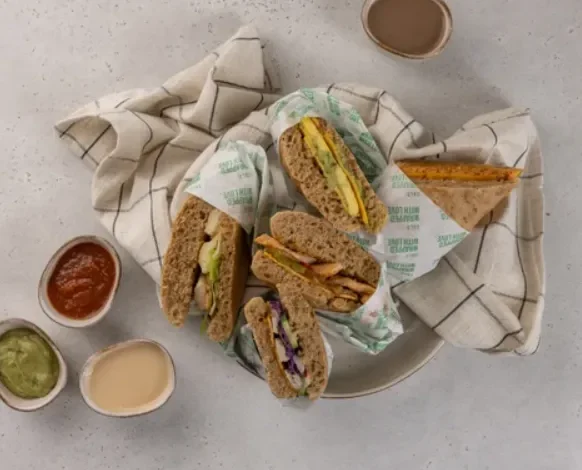
Building a diet plan that you truly enjoy is about finding the right balance between health and pleasure. When your meals consist of foods that you love, sticking to a healthy eating routine becomes much easier. It’s not just about eating the right things—it’s about enjoying the process. By focusing on what works for you personally, you can create a plan that is both sustainable and enjoyable, supporting your goals without feeling restrictive.
Understanding Your Food Preferences
The first step in designing a diet you’ll love is identifying the foods that make you feel satisfied and happy. Think about the dishes that you look forward to eating and the flavors or textures you crave. Do you enjoy crunchy salads, or are you more into creamy soups? Understanding these preferences helps shape a meal plan that excites you rather than feels like a chore.
Try to find a balance between your comfort foods and healthier alternatives. This doesn’t mean cutting out everything you love but finding ways to enjoy your favorites in a more nutritious way. For example, if you love pasta, opt for whole-grain or vegetable-based versions to add nutritional value without sacrificing flavor.
Setting Health Goals That Work for You
To stay on track with your diet, setting personalized health goals is key. Think about what success looks like for you—whether it’s gaining more energy, losing weight, or maintaining a balanced lifestyle. Align your diet with these goals for better results. If improving heart health is your goal, focus on foods like fish and oats. If boosting energy is the priority, look for iron-rich foods and B vitamins.
Create both short-term and long-term goals to keep yourself motivated. Short-term goals might be as simple as cooking a healthy meal three times a week, while long-term goals could involve hitting a fitness milestone. Tracking these milestones and celebrating achievements along the way keeps you engaged and motivated.
Building a Flexible Meal Plan
Once you’ve identified your food preferences and health goals, it’s time to create a meal plan that reflects both. A flexible weekly menu is ideal because it allows for variety while ensuring you meet your nutritional needs. Start by listing meals you already love and make small adjustments to make them healthier. For example, if you love tacos, try using lean meats or plant-based proteins and whole-grain tortillas.
Incorporating new recipes or experimenting with different herbs and vegetables can keep things interesting. Consider swapping traditional pasta for zucchini noodles or whole-wheat versions to add a healthy twist. The key is variety: aim to create colorful, balanced meals with a mix of proteins, vegetables, grains, and healthy fats. A well-balanced plate can help keep you full, provide essential nutrients, and support long-term health.
Monitoring and Adjusting Your Plan
Once your meal plan is in place, it’s important to evaluate how you feel. Are you more energized? Are your clothes fitting differently? Keeping track of these changes helps you understand how your body is reacting and whether the plan is working as expected. If you’re feeling hungry between meals, you may need to adjust portion sizes or increase the amount of protein and fiber in your diet.
Flexibility is key. As you monitor your progress, don’t hesitate to make adjustments to your meals and portions. Maybe you feel bloated after eating a particular vegetable, or you need more carbs on days when you work out. Regularly revisiting your diet and adjusting it to your needs ensures it stays effective and sustainable.
Celebrating Success and Updating Goals
As you work towards your goals, celebrating small milestones is essential for maintaining motivation. Whether it’s achieving better energy levels or losing a few pounds, recognizing progress reinforces positive habits. Treat yourself when you reach a goal to keep the momentum going. Over time, update your goals as your body adapts and your progress continues, ensuring that you always have something to strive for.
Conclusion
Creating a diet plan that you love is about finding balance and making thoughtful choices that support your health goals. By understanding your food preferences, setting realistic health targets, and incorporating variety into your meals, you can build a plan that is both enjoyable and effective. Flexibility, along with ongoing reflection and adjustment, ensures that your diet remains in sync with your needs, making it sustainable in the long run.
Remember, health is a journey, and every step forward counts. By sticking to your personalized plan, you can achieve your weight loss goals while feeling good and enjoying the process along the way.