

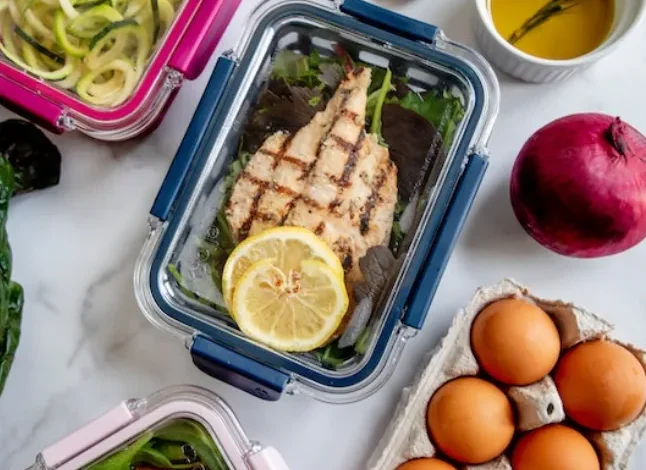
Creating a personalized diet plan that aligns with your lifestyle and goals doesn’t need to be difficult. Whether you’re aiming for better health, weight loss, or increased energy, a customized plan can make the journey much more enjoyable. The key is to find a balance that works for you and makes eating healthy a part of your everyday routine.
Rather than following generic diet advice, tailoring your plan based on your preferences and needs can lead to more sustainable results. By focusing on what your body truly needs and making small, manageable changes, you can craft a diet plan that supports your health goals without feeling restrictive.
Understanding Your Nutritional Needs
The first step in creating an effective diet plan is to understand your nutritional requirements. Our bodies need a balanced mix of proteins, carbohydrates, fats, vitamins, and minerals to thrive. Here’s a breakdown of the essential nutrients you should include in your meals:
- Fruits and Vegetables: These are packed with vitamins, minerals, and fiber, making them crucial for overall health.
- Whole Grains: Rich in fiber, these foods provide long-lasting energy and help with digestion. Think oats, quinoa, and brown rice.
- Proteins: Vital for muscle building and repair. Include lean meats, fish, eggs, beans, and nuts.
- Healthy Fats: Avocados, olive oil, and nuts help support brain health and hormone production.
- Dairy or Alternatives: These provide calcium and promote bone health.
It’s important to also be mindful of your portion sizes and calorie intake. By using smaller plates or measuring servings, you can easily manage how much you eat. Proper portion control helps prevent overeating while still providing your body with the nutrients it needs.
Setting Achievable Goals
To stay motivated and on track, it’s essential to set both short-term and long-term goals. Start by defining what success looks like for you. Your goals may include losing a certain amount of weight, increasing energy, or improving fitness levels. Setting realistic goals that fit your lifestyle is key to success.
Consider these tips when setting your goals:
- Be Specific: Instead of saying “I want to eat healthier,” try setting a goal like “I will eat five servings of vegetables each week.”
- Set Time Frames: Have a clear timeline, such as “I will aim to lose 5 pounds in two months.”
- Be Flexible: Life happens, and it’s okay to adjust your plan when necessary. Flexibility helps prevent feelings of deprivation.
- Track Progress: Keep a journal or use an app to record your meals, workouts, and progress toward your goals.
Having a clear path makes the process less overwhelming and more rewarding as you check off milestones along the way.
Building a Meal Plan That Works for You
When designing your meal plan, focus on incorporating foods you enjoy while meeting your nutritional goals. Choose a variety of foods that provide the nutrients your body needs while keeping meals exciting. If you love certain types of meals, like salads or grilled meats, make them part of your plan while experimenting with healthier ingredients.
For example, here’s a simple daily meal plan to get you started:
- Breakfast: Whole grain oatmeal topped with fresh berries and a sprinkle of nuts.
- Lunch: Grilled chicken salad with leafy greens, cucumbers, and a light dressing.
- Snack: A handful of almonds or a small apple with peanut butter.
- Dinner: Baked salmon with quinoa and steamed broccoli.
Incorporating variety is crucial to avoid monotony. Experiment with different recipes and swap ingredients to keep meals interesting while maintaining nutritional balance.
Tracking Progress and Adjusting Your Plan
As you progress with your diet plan, it’s important to track how you’re feeling. Pay attention to your energy levels, mood, and any physical changes. This feedback will help you determine if your plan is working or if adjustments are needed.
When monitoring your progress:
- Review Your Goals Regularly: Make sure your goals are still relevant and achievable.
- Track Meals and Workouts: Logging what you eat and how much you exercise helps you stay accountable.
- Celebrate Small Wins: Whether it’s losing a couple of pounds or sticking to your plan for a week, celebrate your progress!
Adjustments may be necessary as you go. If you find certain foods don’t sit well with your body, swap them out. If your portion sizes are too small or large, tweak them. Regularly check in with yourself to ensure you’re still aligned with your goals.
Conclusion
Creating a diet plan that works for you involves understanding your nutritional needs, setting achievable goals, and designing a meal plan that aligns with your preferences. By being flexible and tracking your progress, you’ll set yourself up for long-term success. Consistency is key, but don’t be afraid to make adjustments when necessary. With the right approach, you can enjoy your meals and meet your health goals without feeling restricted. Healthy eating is a journey that should be enjoyable, and every step forward brings you closer to a more vibrant and energized version of yourself.