

Chronic conditions such as diabetes, heart disease, stroke, cancer, and rheumatoid arthritis have all been linked to prolonged inflammation in the body. Understanding the causes and effects of inflammation—and how to reduce it—can be a key factor in preventing these serious health issues. By adopting certain lifestyle habits and focusing on anti-inflammatory nutrition, we can significantly lower our risk of disease and improve overall health.
What is Inflammation?
Inflammation is the body’s natural defense mechanism. It’s part of the immune response designed to protect against infection, injury, or harmful invaders. There are two main types of immunity: innate immunity, which is present from birth, and adaptive immunity, which develops after exposure to pathogens or vaccination.
Acute inflammation is a short-term response to injury or infection, whereas chronic inflammation can persist for months or even years, contributing to tissue damage and increasing the risk of chronic diseases. Chronic inflammation can result from unresolved acute inflammation, autoimmune disorders, or long-term exposure to irritants such as toxins and poor lifestyle habits.
Common Triggers of Chronic Inflammation
While pathogens, injuries, and irritants are the primary causes of inflammation, some common lifestyle factors can also contribute to ongoing inflammation. These include:
- Toxins from alcohol, tobacco, and cigarette smoke
- Excessive body fat, especially from a diet high in unhealthy fats and refined sugars
- Poor sleep quality
- Lack of physical activity
- Chronic stress
Symptoms of Inflammation
Inflammation manifests in different ways, depending on whether it’s acute or chronic.
Acute Inflammation Symptoms:
- Pain: Caused by the release of chemicals that stimulate nerve endings
- Redness: Increased blood flow to the affected area
- Swelling: Fluid accumulation in the inflamed tissues
- Heat: Elevated blood flow to the affected area
- Loss of function: Reduced mobility due to pain and swelling
Acute inflammation is usually temporary and occurs after infections or injuries such as cuts, burns, or physical trauma. It can also result from high-intensity exercise or food poisoning.
Chronic Inflammation Symptoms:
- Persistent pain, such as joint or chest pain
- Fatigue and trouble sleeping
- Digestive issues, including bloating and abdominal pain
- Skin rashes
- Unexplained weight gain
- Mood changes, such as depression or anxiety
Chronic inflammation is harder to identify since the symptoms can mimic those of other conditions. Examples include autoimmune diseases like rheumatoid arthritis, lupus, or asthma, which involve prolonged inflammation.
How Is Inflammation Diagnosed?
Acute inflammation can often be diagnosed through visible symptoms like redness, swelling, and pain. For deeper or internal infections, your doctor may use imaging or blood tests to identify the presence of inflammation.
Diagnosing chronic inflammation is more complex. Your healthcare provider may use blood tests to measure inflammatory markers, such as C-reactive protein (CRP) or erythrocyte sedimentation rate (ESR), to determine if inflammation is present. Additional tests may be required to identify the specific cause and location of the inflammation.
Treating Chronic Inflammation Naturally
While medications like NSAIDs (e.g., ibuprofen) or corticosteroids can reduce acute inflammation and alleviate pain, managing chronic inflammation requires long-term lifestyle changes.
Lifestyle Modifications:
- Avoid environmental toxins: Eliminate smoking, limit alcohol consumption, and reduce exposure to harmful chemicals found in cleaning and personal care products.
- Prioritize sleep: Aim for 7-9 hours of restful sleep per night to help your body heal and repair itself.
- Exercise regularly: Moderate physical activity, such as walking or yoga, can help reduce inflammation and improve overall health.
- Manage stress: Chronic stress can fuel inflammation, so finding ways to relax, such as meditation or deep breathing exercises, can be beneficial.
Anti-inflammatory Diet:
One of the most effective ways to combat chronic inflammation is through an anti-inflammatory diet. This approach focuses on whole, nutrient-dense foods while avoiding those that promote inflammation.
Foods to Include:
- Oily fish like salmon, mackerel, and sardines, which are rich in omega-3 fatty acids
- Leafy greens such as spinach and kale, which are high in antioxidants and vitamins
- Berries like blueberries, which are packed with anti-inflammatory compounds
- Nuts and seeds such as almonds and flaxseeds, which provide healthy fats
- Whole grains like oats and quinoa, which support digestive health
- Spices like turmeric and ginger, which have potent anti-inflammatory properties
Foods to Avoid:
Certain foods can exacerbate inflammation, including:
- Processed foods high in sugar and unhealthy fats
- Refined grains like white bread and pasta
- Fried foods and trans fats
- Dairy products, which may trigger inflammation in some individuals
- Red meat, especially processed varieties
- Alcohol, which can contribute to inflammation when consumed in excess
Supplements for Inflammation
Certain supplements can also help reduce inflammation. Consider incorporating these into your routine:
- Turmeric and ginger: Known for their powerful anti-inflammatory properties
- Fish oil: Rich in omega-3 fatty acids, which are effective in reducing inflammation
- Spirulina: A type of algae that offers a variety of anti-inflammatory benefits
- Alpha-lipoic acid: A potent antioxidant that can help manage inflammation
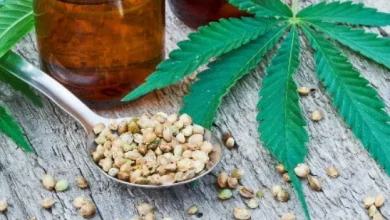
Additionally, some research suggests that CBD (cannabidiol) supplements can help reduce inflammation and alleviate symptoms associated with chronic inflammatory conditions.
Conclusion
Reducing inflammation through lifestyle changes and diet is an effective way to improve overall health and prevent chronic disease. By incorporating anti-inflammatory foods, reducing stress, prioritizing sleep, and staying active, you can manage inflammation naturally and protect your body from long-term damage. While supplements can enhance these efforts, they should complement a healthy lifestyle, not replace it.