
Recycling is an essential part of our efforts to protect the environment, but in the U.S., there’s still significant room for improvement. Even with increased awareness and easy access to recycling programs, a large portion of recyclable materials still end up in landfills. This blog dives into the current state of recycling in the U.S. and offers practical suggestions on how we can improve.
The Current State of Recycling in the U.S.
Recycling has made significant strides in recent years, yet the U.S. recycling rate remains a modest 35.2%. While some materials are recycled at high rates, like lead-acid batteries at 99%, others lag far behind. For example, glass is recycled at only 27%, and plastics barely reach 8%. Paper and paperboard fare better, with recycling rates around 69%.
In total, Americans produce over 350 million tons of waste annually, and while 67 million tons are recycled, a large portion still ends up in landfills. This means we are only scratching the surface when it comes to maximizing the benefits of recycling.
One issue contributing to this problem is the rise of single-stream recycling, where all recyclables are mixed in one bin. While this process has increased convenience and boosted recycling rates, it also leads to contamination. With a lack of uniformity in what can be recycled from town to town, materials that can’t be recycled end up in the stream, causing strain on sorting systems and degrading the quality of recyclable materials.
The key to improving recycling in the U.S. is education. A better understanding of what can and cannot be recycled, coupled with consistent guidelines, would help reduce contamination and boost the overall efficiency of recycling programs.
What Can Be Done to Improve Recycling Rates?
Despite the challenges, there are plenty of ways to improve recycling efforts in our communities. By following a few simple practices, we can ensure that more materials are recycled properly and diverted from landfills.
1. Consult Your Local Authorities
The first step in improving recycling practices in your area is to reach out to your local government. Recycling facilities differ from town to town, with varying capabilities and guidelines for acceptable materials. Your local town hall or waste management office can provide information about which materials are accepted for curbside pickup and let you know about special recycling drives or hazardous waste collection events.
At Sourgum Waste, we aim to make this process even easier by providing a database of recycling services in your area. If you can’t find your town, don’t hesitate to contact us—we’re here to help you find the right information.
2. Know What Can (and Can’t) Be Recycled
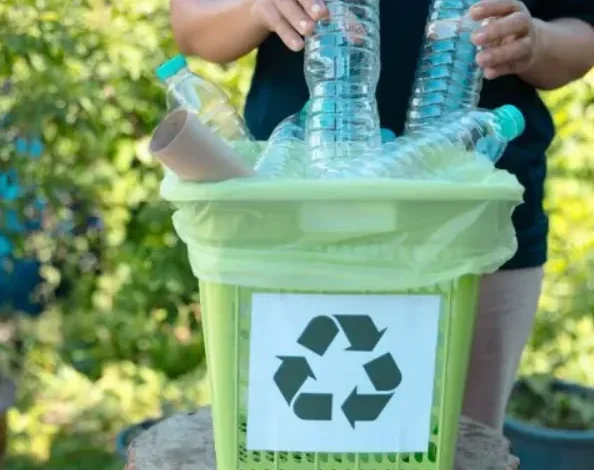
Once you’ve connected with your local waste management, take the time to fully understand what materials are recyclable in your area. The best way to reduce contamination in the recycling stream is by knowing what goes where. For example, while glass, aluminum, and certain plastics can often be recycled, other items like light bulbs, paint, and batteries require special handling and should never go into regular recycling bins.
Be sure to check the EPA’s guidelines for Household Hazardous Waste (HHW) to ensure you’re disposing of dangerous materials safely. Properly sorting waste can have a huge impact on the quality of the recycling process.
3. Seek Professional Help for Large-Scale Recycling
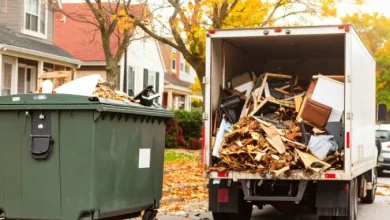
While most people can manage their household recycling, large-scale events or projects may produce overwhelming amounts of waste. In these cases, it’s a good idea to hire professionals to handle the recycling. From construction jobs to events with significant waste production, expert waste removal services can ensure everything is sorted and disposed of responsibly. They can also provide guidance on how to properly handle more complex recyclable materials.
Moving Toward a Zero-Waste Future
The good news is that the trend toward sustainability and zero-waste initiatives is growing. As awareness of the importance of recycling increases, so does the commitment to improving these systems. It’s crucial that both individuals and businesses contribute to this shift.
By following the right practices, such as properly sorting recyclables, staying informed, and supporting local recycling initiatives, we can collectively reduce waste and improve our recycling rates. The U.S. still has a long way to go, but small steps taken by everyone can lead to significant progress in creating a cleaner, greener future.