
Juicing has long been hailed as a way to cleanse the body, detoxify, and improve overall health. Whether it’s a refreshing drink made at home or purchased from a trendy cold-pressed juicery, juicing often seems like a quick fix for everything from glowing skin to weight loss. But is it really as healthy as it seems?
While there are benefits to juicing, there are also some potential drawbacks. Let’s explore the pros and cons of juicing, why it might not be as healthy as some claim, and what to look for in nutrient-dense, low-sugar juices.
What is Juicing, and Why Should You Care?
Juicing involves extracting vitamins, minerals, and phytonutrients from fruits and vegetables, leaving behind the fiber. The idea is that this makes it easier for the body to absorb these nutrients, without having to digest the fiber from whole produce. The result? A quick influx of nutrients that can support your body’s health.
Understanding Juice Cleanses
A juice cleanse typically involves drinking only juices for several days to give your digestive system a break, flood your body with easy-to-digest nutrients, and reduce cravings for high-sugar or high-carb foods. However, there is ongoing debate about whether juice cleanses truly offer lasting health benefits or if they’re more of a temporary fix.
The Health Benefits of Juicing
For those who struggle to eat enough vegetables, juicing offers a convenient way to increase their intake. It’s also a quick way to get the essential micronutrients your body needs, as juicing skips the fiber and delivers nutrients directly to your system.
Common benefits of juicing include:
- Improved immunity
- Better skin health
- Increased energy levels
- Enhanced digestion
- Detoxification
For those with digestive issues or limited ability to process fiber, juicing can be particularly helpful. By “pre-digesting” fruits and vegetables, it gives your body an easier path to absorbing nutrients.
However, these benefits are generally tied to regular consumption of vegetable-based juices, particularly green ones. Juice cleanses, on the other hand, show less conclusive evidence of long-term health benefits. Also, fruit-heavy juices may not provide the same benefits due to their high sugar content.
The Downsides of Juicing
While juicing can be beneficial in moderation, there are some notable drawbacks:
- Lack of fiber: Fiber plays a crucial role in digestion, and most Americans already don’t get enough of it. Removing fiber from juice can lead to digestive issues, even though it provides quick access to nutrients.
- Excessive sugar: Without fiber, fruit sugars from juice enter the bloodstream rapidly, causing a spike in blood sugar levels. This is particularly concerning since it can contribute to insulin resistance and increase the risk of type II diabetes. For example, it takes about six oranges to make a glass of orange juice, which is far more sugar than you would typically consume in one sitting if eating the fruit whole.
Additional concerns about juicing include the cost of store-bought juices, the food waste generated from discarding pulp, and the fact that juice alone isn’t a complete meal. Your body also needs protein, healthy fats, and complex carbs to function optimally, and fat-soluble vitamins (A, D, E, and K) require dietary fat for proper absorption.
Is Juicing Really Good for You?
In summary, fruit juice is not ideal for regular consumption due to its high sugar content. Vegetable juice, however, can be a healthy addition to your diet when done correctly, though it may not be essential if you already maintain a balanced, nutrient-rich diet.
Juicing can be especially beneficial for people with digestive issues or those who find it difficult to consume enough fruits and vegetables. But, if you’re looking for a “cleanse,” you’re likely better off with a regular green juice as part of a well-rounded diet, rather than an extreme juice cleanse.
How to Juice at Home
If you want to incorporate juicing into your lifestyle, making your own juice at home is an excellent option. Here’s how to get started:
Juicing Equipment
There are various types of juicers available, with centrifugal and masticating (cold-pressed) juicers being the most common. Masticating juicers preserve more nutrients, but centrifugal juicers are more affordable and still effective for immediate juice consumption. Whichever type you choose, make sure the cleanup process is manageable.
Home Juicing Tips
To make healthy, nutrient-packed juice:
- Focus on greens: Leafy vegetables should make up about 70-80% of your juice.
- Add herbs: Fresh herbs like parsley, cilantro, or basil boost detoxification and add flavor.
- Choose low-sugar fruits: Apples and grapefruit are good choices.
- Add hydrating vegetables: Use celery or cucumber for more volume.
- Go organic: Whenever possible, choose organic produce to avoid pesticides.
- Store juice properly: Juice is best consumed immediately, but you can store it in an airtight glass jar for up to 8 hours. Fill the jar to the top to minimize oxidation.
Healthy Juice Recipes
Start with these refreshing and healthy juice ideas:
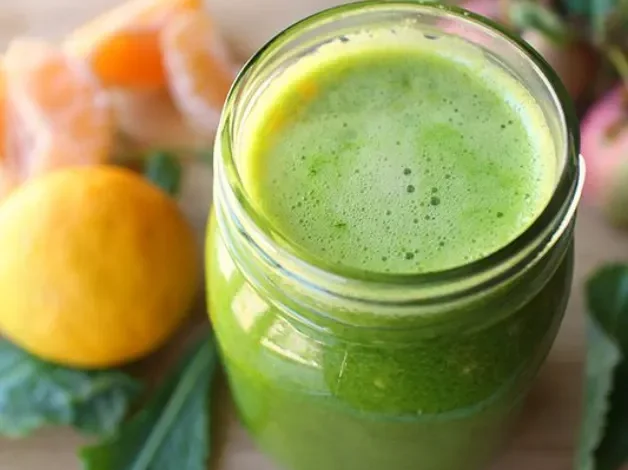
- Green Juice: Celery, cucumber, spinach, lemon, and ginger
- Cilantro Detox: Cilantro, lemon, apple, and spinach
- Berry Beet Cleanse: Beet, strawberry, and apple
- Ginger-Aid Immune Boost: Ginger, lemon, carrot, and orange
What to Look for in Store-Bought Juice
If you prefer purchasing juice, keep an eye out for these qualities:
- Vegetable-heavy juices with minimal fruit content
- Cold-pressed and fresh juices
- Organic ingredients to avoid pesticide residues
Conclusion
Juicing can be a healthy addition to your diet when done right, especially if you focus on vegetables and maintain a balanced approach. While juice cleanses may sound appealing, they are not necessary for overall health and might not offer long-term benefits. If you’re interested in juicing, make sure to combine it with whole foods and regular exercise for the best results.