

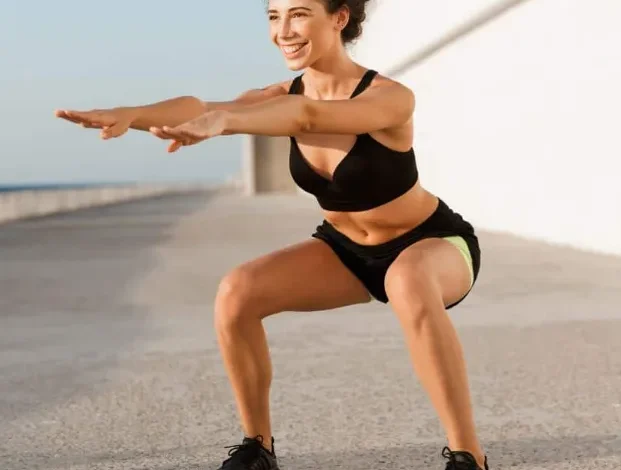
Squats are a fundamental movement in any fitness regimen. Whether you’re a seasoned lifter or just starting out, understanding how to perform squats correctly can greatly enhance your training. In this article, we’ll dive into the key aspects of squats, their variations, and essential tips for performing them safely and effectively.
What Makes a Squat Complete?
To truly benefit from squats, it’s important to understand what qualifies as a full squat. Many people consider any bend of the knees a squat, but for a squat to be complete, the depth is crucial. A full squat requires the femur (thigh bone) to dip below the knee, ensuring that the squat is performed through its full range of motion. Achieving this depth requires practice and awareness, and it’s essential to perform squats on a stable surface to ensure proper technique. Squatting too high reduces the effectiveness of the exercise, just like lifting a deadlift from an elevated position or performing a half bench press. Always aim for a complete squat to maximize its benefits.
Popular Squat Variations
While the basic squat works the quads, hamstrings, and glutes, different squat variations emphasize different muscle groups. Let’s explore the four most common barbell squat variations and how they train various parts of your body.
1. High Bar Back Squat
The high bar squat is one of the most widely performed squat variations and is great for beginners. In this squat, the bar is placed on top of the traps, across the shoulders. Maintaining an upright torso throughout the movement focuses on the quads, making it ideal for individuals looking to develop the front of the legs. Although it engages the core and posterior chain to some degree, it primarily targets the quadriceps.
2. Low Bar Back Squat
The low bar squat involves placing the bar lower on the back, across the rear delts. This squat requires a more forward lean than the high bar variation, which increases engagement of the core and posterior chain. The low bar squat allows lifters to lift heavier weights because it recruits more muscles, particularly the glutes and hamstrings. For those looking to increase strength, this is a great variation to incorporate into your routine.
3. Front Squat
In the front squat, the bar is placed on the front of the body, resting on the anterior deltoids, with the elbows raised high. This variation requires an even more upright torso than the high bar squat and emphasizes the quads even more due to the bar’s placement in front of the lifter’s center of mass. Front squats are commonly used by Olympic lifters and those looking to develop stronger quads.
4. Overhead Squat
The overhead squat is the most challenging squat variation, requiring the lifter to hold the bar directly above their head with a wide grip and straight elbows. This squat demands a great deal of stabilizing strength in the shoulders, upper back, and core. Although it isn’t typically performed with heavy loads, the overhead squat is an excellent way to develop stability and mobility throughout the entire body, making it a great complement to other squat variations.
Squat Safety: Key Considerations
Performing squats safely is just as important as doing them effectively. One of the most critical aspects of squat safety is learning how to properly brace your core before initiating the movement. A lack of core stability can significantly increase the risk of injury, especially when lifting heavy loads. It’s important to practice bracing techniques regularly and focus on maintaining tension throughout the entire movement.
Another important factor in squat safety is gradual progression in weight. If you’re jumping in weight too quickly without allowing your body to adapt, you increase your chances of injury. Start with manageable weights and focus on perfecting your technique before adding heavier loads.
Finally, ensuring that you stay tight at the bottom of the squat is vital. Many lifters make the mistake of relaxing at the bottom, which can cause them to lose tension in their muscles and increase the risk of injury when transitioning into the ascent. Maintain control and tension throughout the entire movement, especially at the deepest part of the squat.
Conclusion
Squats are a powerful and versatile exercise that can help you build strength, improve mobility, and enhance overall fitness. By mastering the correct depth, understanding the various squat variations, and prioritizing safety, you can make squats a staple in your training routine. Whether you’re aiming for strength, hypertrophy, or improved athleticism, there’s a squat variation that can help you reach your goals.
If you’re unsure about your squat form or need help perfecting your technique, working with a coach can be incredibly valuable. A knowledgeable coach can offer personalized tips and adjustments to ensure that you’re squatting safely and effectively. So, get out there and start squatting—properly!