Plastic Recycling at Construction Sites: A Guide for a More Sustainable Future

The construction industry is a major contributor to global plastic consumption, accounting for nearly 20% of the world’s plastic use. While a significant portion of construction plastics is durable and long-lasting, a large amount still ends up as waste at job sites. By adopting a few simple practices, construction sites can make a significant impact on reducing plastic waste and increasing recycling efforts.
The Scale of Plastic Waste on Construction Sites
Recent studies from Auckland, New Zealand, have revealed that construction sites generate an average of 0.61 kg of plastic waste per square meter of built space. For a 10,000 ft² construction site, this adds up to around 570 kg of plastic waste — enough to fill half of a standard 10-yard dumpster. These figures highlight the need for effective waste management, as even smaller projects can contribute significantly to plastic waste.
Common Sources of Plastic Waste
Plastic waste on construction sites primarily comes from a handful of common materials, including:
- PVC piping used for plumbing and electrical conduit
- Polystyrene insulation found in wall systems and roofing
- HDPE sheeting used as vapor barriers or protective liners
- Plastic packaging materials like wrap, foam inserts, and bags from delivered goods
- Temporary surface protection materials such as plastic floor coverings or window films
What Plastics Can Be Recycled?
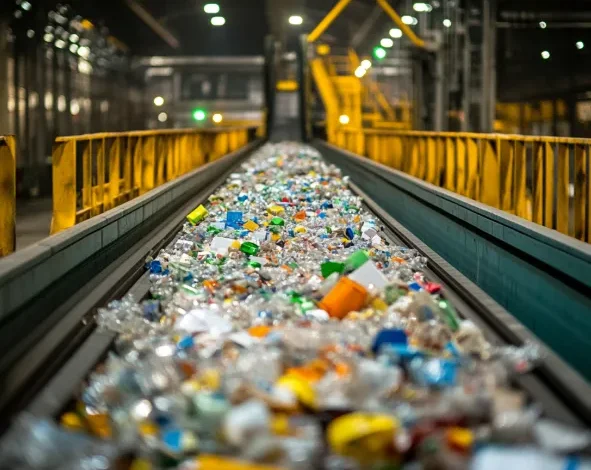
Not all plastics can be easily recycled, especially on construction sites, where materials are often mixed with other debris or contaminated. The plastics most likely to be recycled are those that are rigid, clean, and free from contaminants or mixed materials. Items like leftover PVC pipes or cut HDPE sheets are prime candidates for recycling since they are made from a single type of resin with no coatings or adhesives.
Recyclers prefer these plastics because they are easy to identify, sort, and process, and they tend to remain cleaner throughout the construction process. When plastic is free from contaminants, it can be ground into pellets and reused in manufacturing, making it more likely to be accepted by recycling facilities.
However, the ability to recycle plastics varies by location. Some areas have strong recycling programs for construction waste, while others only accept cardboard and scrap metal.
Why Special Dumpsters Are Essential for Plastic Recycling
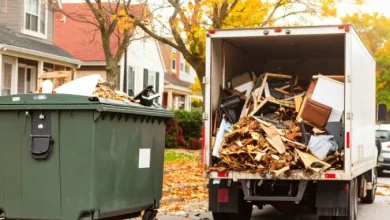
One key step in successfully recycling plastics on construction sites is using dedicated dumpsters. Without separate containers for plastics, they often become mixed with other waste, rendering them unsuitable for recycling due to contamination. Even when plastics are separated from other waste, they must be sorted by type to ensure that the load remains recyclable.
To simplify the process, Sourgum provides roll-off dumpsters specifically designed for plastic recycling on construction sites. With sizes ranging from 10-yard options for smaller cleanups to larger 40-yard containers, Sourgum helps ensure that plastics are properly sorted and sent to recycling facilities that specialize in construction plastics. Additionally, for every dumpster rental, Sourgum plants a tree, further reducing the environmental impact of construction projects.
Encouraging Proper Plastic Disposal on Construction Sites
Getting the crew to dispose of plastics correctly is crucial for successful recycling. The first step is establishing a clear, consistent system that the entire team follows. While workers are generally familiar with the materials they use, without clear guidance, it’s easy for waste to become mixed or contaminated.
To prevent this, provide workers with a detailed overview of the types of plastics being used on site and which ones need to be separated. Make this part of the onboarding process for new employees, and reinforce it during safety meetings.
Label dumpsters clearly and use posters or laminated guides to help workers recognize which plastics belong in each bin. Including photos of actual materials from the site, like plastic pipes or packaging film, will make it easier for everyone to follow the system.
By taking these small but impactful steps, construction sites can drastically reduce the amount of plastic waste they generate and ensure that more material is properly recycled. Embracing better plastic recycling practices not only helps protect the environment but also promotes a more sustainable approach to construction.