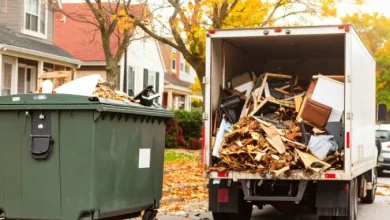


Furniture waste is an increasing issue, especially as millions of pounds of furniture end up in landfills every year. According to the Environmental Protection Agency (EPA), the amount of furniture waste has surged dramatically, growing from 2.15 billion pounds in 1960 to nearly 9.8 billion pounds in 2017. Unfortunately, despite the increasing awareness of sustainability, much of this waste is still being dumped rather than recycled.
But there’s hope: by taking a few simple steps, we can reduce the amount of furniture waste that ends up in landfills. Recycling furniture may not be the complete solution to the global waste crisis, but it’s a great starting point.
How to Recycle Furniture Effectively
Furniture comes in a variety of materials like wood, plastic, metal, and fabrics, which makes recycling more complex. Many furniture items are made of several materials combined, making it challenging to recycle in a cost-effective way. However, with some preparation, it’s still possible to recycle furniture.
Step 1: Disassemble the Furniture
One of the best ways to improve the chances of recycling furniture is to take it apart. Many recycling facilities prefer materials that are not mixed together, so separating the components is key. You can:
- Remove fabric and padding from couches or chairs.
- Detach metal or plastic legs and hardware.
- Separate the wooden frames from the upholstery.
- Pull out foam or stuffing and explore local textile recycling programs.
Step 2: Evaluate the Condition of the Furniture
If your furniture is still in good condition, consider donating it instead of recycling. Donating to local second-hand stores, charities like Habitat for Humanity ReStore, or platforms such as Craigslist or Facebook Marketplace can give your furniture a second life while helping someone in need.
Step 3: Locate a Recycling Center
Some cities and private recycling centers accept bulky furniture items. You can use online resources like Earth911 to find nearby facilities. Simply input your zip code and material type to locate the nearest recycling centers.
Step 4: Handle Treated or Composite Materials Carefully
Not all furniture is recyclable. Items like particleboard, which is often used in cheaper furniture, are difficult to recycle because of the chemicals used in their production. If your furniture contains non-recyclable materials, contact your local waste management facility for bulk waste collection services.
Dealing with Unwanted Furniture
When you’re cleaning out your home or office, getting rid of unwanted furniture doesn’t have to be a hassle. For large-scale cleanouts, renting a dumpster or hiring a junk removal service can simplify the process. Sourgum, for example, offers various dumpster sizes to fit your needs and is committed to sustainability by diverting furniture waste from landfills whenever possible.
The Dilemma of “Fast Furniture”
Over the years, the rise of “fast furniture”—mass-produced, inexpensive furniture—has worsened the furniture waste problem. Unlike long-lasting furniture built to endure for years, fast furniture is made with cheaper materials like particleboard and plastic, which break down quickly and cannot be recycled efficiently.
Fast furniture is often designed for quick disposal, which creates more waste as it’s discarded after just a few years. While it may seem cost-effective initially, this type of furniture often ends up costing more over time since it has to be replaced frequently.
Instead of opting for cheap, short-lived furniture, investing in quality pieces made from solid wood or durable materials can save you money in the long run. Look for antique pieces or second-hand furniture that can be easily refurbished, offering both sustainability and unique charm to your space.
A More Sustainable Future with Furniture Recycling
Choosing to recycle or repurpose old furniture helps reduce landfill waste and supports a more sustainable approach to consumption. It also provides an opportunity to add character to your home by incorporating recycled or repurposed furniture. Whether you donate, resell, or tackle a DIY project, you contribute to the circular economy while giving your home a personal touch.
Recycling or repurposing furniture doesn’t just make sense for the environment—it’s a creative, cost-effective way to furnish your home. By breathing new life into older furniture, you’re helping reduce waste while creating a more thoughtful living space.
So, the next time you wonder what to do with that old couch or broken dresser, consider recycling or repurposing it. The planet—and your home—will thank you.