Reducing Food Waste: What You Can Do at Home and in Restaurants

Food waste is a growing issue that not only affects our economy but also has a significant impact on the environment. In the United States alone, more than 80 billion pounds of food are wasted every year, which is the equivalent of 1,000 Empire State Buildings stacked up. This staggering amount of food waste is contributing to the rising levels of trash in landfills, where it makes up around 22% of municipal solid waste. But the good news is, there’s plenty we can do to reduce food waste and make a difference, both at home and in restaurants.
Why Do We Waste Food?
Food waste happens for various reasons, and understanding these causes is the first step in addressing the problem:
- Spoilage: A lot of food is discarded simply because it has spoiled. Many people are quick to throw food away when it’s a day past the “use by” or “best before” date, even if it’s still perfectly safe to eat. Misunderstanding these labels leads to unnecessary waste.
- Left in the Fields: Farmers often leave perfectly good food in the fields because it doesn’t meet the visual standards of supermarkets. This includes fruits and vegetables that may be slightly discolored or misshapen but are still edible. Initiatives like Imperfect Foods are helping to sell these “ugly” produce items directly to consumers, preventing them from being wasted.
- Supermarkets: Supermarkets frequently discard unsold food past its sell-by date or food that’s gone overripe, especially produce that’s been left behind. This happens because stores over-order to ensure they don’t run out of stock, leading to waste. The USDA reports that supermarkets waste about $15 billion in unsold produce annually.
- Restaurants: Restaurants contribute significantly to food waste. Many generate billions of pounds of waste annually due to over-preparing portions, and customers leaving uneaten food behind. Legal concerns prevent some restaurants from donating leftover food, despite the fact that it could help feed those in need.
- Household Waste: The largest amount of food waste comes from households, where food is often thrown away due to spoilage or over-preparation. Many people buy more food than they need, and then discard leftovers that they don’t get around to eating.
Simple Tips to Reduce Food Waste
There are many practical ways you can reduce food waste in your daily life:
At the Grocery Store:
- Stick to your shopping list: Planning your meals and sticking to a shopping list can help prevent impulse buys and over-purchasing.
- Buy only what you need: Don’t buy in bulk unless it’s something you will use quickly.
- Choose “ugly” produce: “Imperfect” fruits and vegetables are just as tasty and nutritious, but often cost less and reduce waste.
At Home:
- Store food properly: Proper storage is key to preventing spoilage. Keep fruits, vegetables, and leftovers in the right environment to extend their shelf life.
- Preserve leftovers: Use overripe fruit for making sauces or smoothies, and freeze excess food for later use.
- Keep track of expiration dates: A simple way to avoid waste is by keeping your fridge organized and checking expiration dates regularly.
- Don’t over-serve: Portion control is important, especially when cooking for yourself or others. It prevents food from being thrown away because it wasn’t eaten in time.
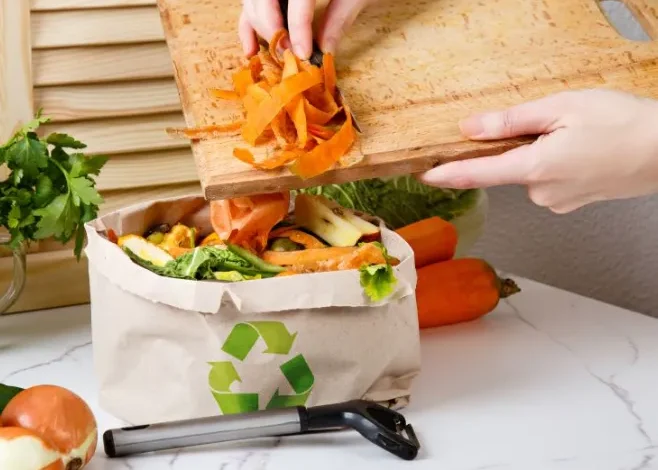
- Compost: For food scraps, composting is an eco-friendly solution that keeps waste out of landfills and benefits your garden.
- Pack your lunch: Instead of buying takeout or eating out, make your own meals at home and bring them with you to work or school.
How Restaurants Are Tackling Food Waste
Restaurants are some of the biggest contributors to food waste. However, many are taking steps to minimize their waste and donate surplus food to those in need. Here are a few examples of restaurants and chains that are leading the way:
- Le Bernardin: This New York City restaurant donates over 40,000 pounds of food annually to City Harvest, helping to feed the city’s homeless population.
- Starbucks: Starbucks has donated over five million meals and plans to donate 50 million meals by the end of 2020 through their partnership with City Harvest and Feeding America.
- Panera Bread: Their “Day-End Dough-Nation” program donates unsold bread, pastries, and bagels to local hunger relief organizations.
- Cosme: This fine-dining Mexican restaurant in New York City donates 162 pounds of food each month, helping to save 60 pounds of CO2 from entering the atmosphere.
How Restaurants Can Reduce Waste
Restaurants can make a big difference by implementing these waste-reduction strategies:
- Create a Waste Management Team: Establishing a team to track and analyze food waste is essential. They should monitor food orders, identify waste trends, and adjust menus accordingly.
- Sort Waste Properly: Train staff to separate food scraps into appropriate categories—unused food, uneaten served food, recyclables, and compostables. This helps identify where the most waste is coming from and make improvements.
- Donation and Redistribution: Restaurants should look into food donation programs. While legal concerns around food safety exist, many charities accept food donations, especially cooked meals or non-perishable items.
Final Thoughts
Food waste is a major issue that affects the economy, the environment, and our communities. By implementing simple changes at home and supporting restaurants that donate or minimize food waste, we can all contribute to reducing the staggering amount of food sent to landfills every year. Start small—make better purchasing decisions, use leftovers creatively, and consider composting. The collective effort to reduce food waste can make a huge difference. Let’s work together to cut down the 80 billion pounds of food waste produced annually and protect the planet for future generations.