

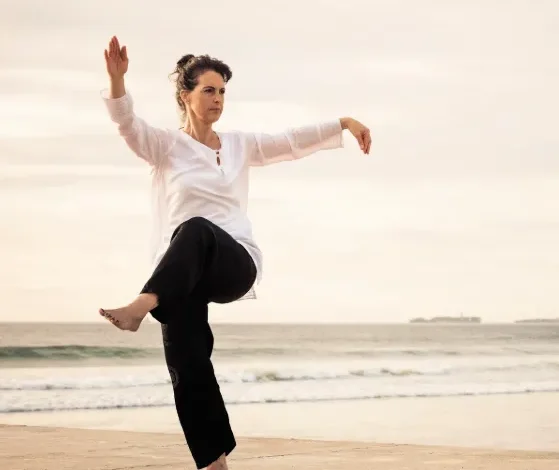
In today’s fast-paced world, stress and anxiety are all too common. Tai chi, an ancient Chinese practice, offers a peaceful antidote to the chaos of modern life. Often referred to as “meditation in motion,” tai chi combines physical movement with mental focus, offering a range of health benefits for both body and mind.
What Is Tai Chi?
Tai chi is a traditional Chinese martial art with roots in Taoism and Confucianism. According to Taoist philosophy, the universe is governed by two complementary forces: yin and yang. Maintaining a harmonious balance between these forces is essential for health. Tai chi helps cultivate this balance through fluid movements that integrate the mind and body.
While originally developed as a martial art, tai chi today is practiced worldwide for its health benefits, including as a form of exercise and meditation.
Tai Chi as a Martial Art
Unlike external martial arts such as karate or kung fu, which rely on strength and physical agility, tai chi is considered an internal martial art. This means it focuses on using mental focus and spiritual energy (known as “qi”) rather than brute force. The movements in tai chi are slow, controlled, and circular, designed to cultivate power through relaxation rather than tension.
While tai chi can be used for self-defense, it requires extensive training to master. However, as a form of exercise and meditation, tai chi is accessible to people of all fitness levels and ages, including those recovering from injuries or mobility challenges.
Tai Chi as Exercise and Meditation
Tai chi is a low-impact form of exercise that involves slow, flowing movements and gentle stretches. Each posture is connected in a continuous, smooth flow, helping to improve balance, flexibility, and strength. The practice emphasizes grounding your weight and shifting it from one leg to the other, promoting stability and coordination.
Incorporating mindfulness and deep breathing with each movement amplifies the health benefits. By focusing on your breath and being fully present in the moment, tai chi helps reduce stress and encourages mental clarity.
Different Styles of Tai Chi
There are several styles of tai chi, each with its unique characteristics. The most common styles include:
- Chen: The oldest style, combining fast, explosive movements with slow, graceful postures.
- Yang: The most widely practiced style, known for its large, expansive movements.
- Wu: Focuses on compact, subtle movements and an emphasis on balance.
- Sun: A blend of different styles, characterized by unique footwork and smooth movements.
- Hao: An advanced style that involves very small, precise movements focused on internal energy (qi).
If you’re just starting out, the Yang and Wu styles are often the most beginner-friendly. Yang is particularly gentle on the joints, making it ideal for those recovering from injuries.
Health Benefits of Tai Chi
Numerous studies support the physical and mental health benefits of practicing tai chi. Harvard Medical School even referred to it as “medication in motion.” Here are some of the key health benefits:
- Improves Balance and Strength: Regular practice enhances both upper and lower body strength, and many practitioners experience better balance and stability, which is especially helpful for older adults.
- Relieves Chronic Pain: Tai chi can help reduce stiffness and alleviate pain in conditions such as osteoarthritis and fibromyalgia, thanks to its gentle movements and focus on mindfulness.
- Reduces Anxiety and Depression: The meditative aspect of tai chi promotes relaxation, which can lower stress levels and improve emotional well-being.
- Improves Sleep Quality: Tai chi has been shown to improve sleep quality and can be an effective treatment for insomnia.
- Supports Cardiovascular Health: Tai chi has aerobic benefits, including the potential to lower blood pressure and heart rate, benefiting overall cardiovascular health.
- Enhances Respiratory Function: The practice of tai chi has been linked to improved lung capacity and better oxygen flow.
- Boosts Cognitive Function: The combination of physical movement and mindfulness can improve memory and cognitive function.
- Promotes Longevity: Regular, moderate exercise like tai chi has been associated with increased lifespan, even more so than high-intensity exercise.
How to Get Started with Tai Chi
If you’re interested in incorporating tai chi into your life, here are some tips to get started:
Check With Your Doctor
Before starting any new exercise routine, especially if you have pre-existing health conditions, it’s important to consult with your doctor. Tai chi is generally safe, but it’s always wise to confirm that it’s right for you.
Choose a Style
Review the different tai chi styles and consider your goals and physical capabilities. If you’re unsure, it may help to consult an instructor or try a few classes to find the best fit.
Where to Practice
Tai chi is a versatile practice that can be done almost anywhere. You don’t need expensive equipment, and it can be performed indoors or outdoors, alone or in a group setting. Many community centers, gyms, and healthcare facilities offer tai chi classes. Alternatively, you can explore online tutorials or YouTube videos to get started from the comfort of your home.
What to Wear
Wear comfortable, loose-fitting clothing that allows for unrestricted movement. Some practitioners prefer to practice barefoot, while others opt for lightweight, flexible shoes.
How Often to Practice
For the best results, aim to practice tai chi for at least 15 minutes a day. Consistency is key, and short, regular sessions are more beneficial than sporadic long ones. As you become more comfortable, try integrating tai chi movements into your daily routine.
Final Thoughts
Tai chi offers a unique blend of physical exercise, mental focus, and relaxation. Whether you’re looking to reduce stress, improve your balance, or enhance your overall health, tai chi is a gentle yet effective practice that can benefit people of all ages and fitness levels. By committing to regular practice, you can experience the many health benefits that tai chi has to offer.