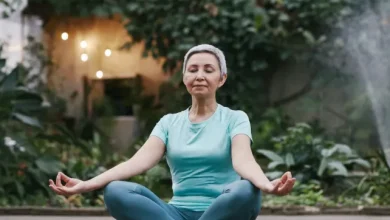


Mindfulness, the practice of being fully present in the moment, is not just about meditation. It’s about how we approach our lives with a sense of awareness, openness, and acceptance. Jon Kabat-Zinn’s concept of the “Attitudinal Foundations of Mindfulness,” initially introduced with seven attitudes and later expanded to nine, offers a practical guide to living more mindfully. These attitudes are integral to how we engage with mindfulness, enriching both our practice and our everyday experiences.
Here are the nine key attitudes of mindfulness that can help you deepen your practice and live more intentionally:
1. Beginner’s Mind
Approaching life with a “beginner’s mind” means seeing each moment as new and unfamiliar, even if it’s something you’ve experienced many times before. Think back to when you first tried something new—whether it was a hobby, a place, or an activity—and how curious and engaged you were. Over time, we often stop noticing the details, allowing the routine to dull our experience. By cultivating a beginner’s mind, we can rediscover the joy in the small things, like the colors of the sunset or the texture of a meal. Seeing the world with fresh eyes allows us to appreciate the richness of the present moment.
2. Trust
Trust is about having confidence in yourself and in your experiences. In mindfulness, trust means letting go of the urge to control every aspect of your practice or life. It’s the belief that you have all the resources within you to deal with whatever arises. Rather than looking for external answers, trust encourages you to be open to the unfolding process of life and to accept things as they are.
3. Nonjudgment
Judgment is a natural part of the mind, but it often clouds our perception. We tend to categorize experiences as good or bad, right or wrong. In mindfulness, nonjudgment means observing without labeling. When we judge, we limit our ability to see things clearly. Instead of getting caught in our own mental judgments, mindfulness teaches us to observe them without reacting—like a neutral observer watching thoughts pass by. By creating this space between ourselves and our judgments, we can experience life more fully and with greater clarity.
4. Letting Go
Letting go involves releasing attachments to thoughts, feelings, or experiences, whether they’re positive or negative. In our mindfulness practice, it’s natural for thoughts to come and go, but the key is not to hold onto them. Whether they’re pleasant or unpleasant, thoughts are temporary, and resisting or clinging to them only creates unnecessary tension. Letting go means accepting that thoughts, like everything else, will pass on their own time.
5. Patience
In a world that values speed and instant gratification, patience is an essential attitude for mindfulness. Mindfulness requires us to slow down, to be present even when nothing particularly exciting is happening. It’s about allowing things to unfold naturally, without pushing for results. Practicing patience in your mindfulness journey helps you break free from the constant need to be busy and gives you the space to simply be.
6. Acceptance
Acceptance means acknowledging whatever arises in the moment without resistance. It’s not about liking everything that happens, but rather honoring the reality of the present situation. If you encounter discomfort, whether physically or emotionally, acceptance allows you to sit with it without trying to change it. This attitude doesn’t mean you have to agree with the situation, but by accepting it, you create peace with the present moment.
7. Nonstriving
Nonstriving is the practice of letting go of expectations and goals in mindfulness. In a society that constantly encourages productivity and goal setting, it can be difficult to embrace a non-striving approach. However, mindfulness isn’t about achieving something specific—such as relaxation or clarity—it’s about cultivating awareness of the present moment, without any attachment to outcomes. When we release the need for results, we can simply experience things as they are.
8. Gratitude
Gratitude in mindfulness is about appreciating the present moment just as it is. It’s about recognizing the good in your life, whether it’s the simple act of breathing, the sun shining, or the ability to sit quietly in peace. By cultivating gratitude, you can shift your focus away from what’s lacking and toward the abundance that already exists in your life.
9. Generosity
Generosity is the act of giving yourself and others your full presence and attention. It starts with yourself—by being kind and attentive to your own needs and emotions. Once you’re grounded in self-awareness and compassion, you can extend this generosity to others, offering them your undivided presence. By sharing your energy, time, and care with others, you create deeper, more meaningful connections.
These nine attitudes are not just tools for meditation—they are ways of being that can enhance all aspects of life. By embracing them, you can cultivate a greater sense of self-awareness, compassion, and peace.