

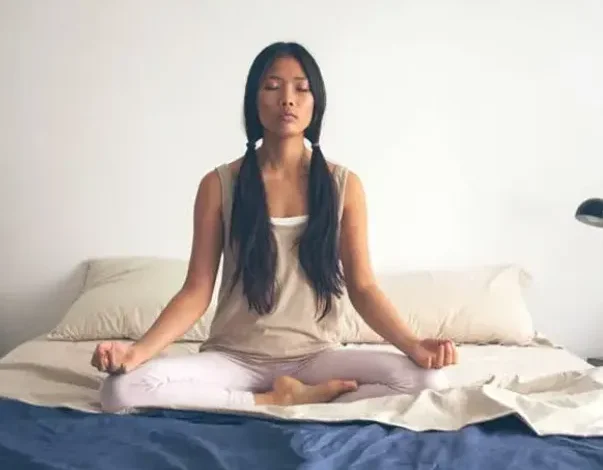
Meditation is a powerful practice that can improve both your mental and physical health. It has been proven to reduce stress, enhance focus, and improve overall well-being. By taking a few moments to center yourself through meditation, you can experience long-term benefits that support a balanced and healthy lifestyle. Whether you’re new to meditation or looking to refine your practice, understanding its benefits and learning different techniques can be life-changing.
The Benefits of Meditation
Meditation is more than just a way to relax; it has numerous physical, mental, and emotional health benefits. Regular practice can improve focus, reduce stress, and even enhance your physical health. Here are some of the key benefits you can experience:
- Improved Focus: Meditation helps train your brain to focus better, even under pressure.
- Reduced Stress and Anxiety: Meditation encourages relaxation, reducing both physical and mental stress levels.
- Increased Creativity: A clear and calm mind fosters creativity and enhances problem-solving abilities.
- Better Relationships: Practicing meditation can increase your capacity for compassion, leading to stronger relationships.
- Improved Healing: Meditation can complement the treatment of chronic conditions such as anxiety, depression, high blood pressure, and even cancer, by supporting the body’s healing process.
The best part? You can practice meditation anywhere—whether you’re commuting, cooking dinner, or preparing for an important event. It’s an easy way to bring calm and clarity into your life, no matter where you are.
How to Meditate: A Beginner’s Guide
Meditation may seem daunting at first, but it’s really about finding a technique that works for you. Some of the most popular forms of meditation include:
- Visualization Meditation
- Mantra Meditation
- Mindfulness Meditation
Let’s break down how you can practice each of these techniques:
1. Visualization Meditation
Visualization meditation involves focusing on peaceful images or scenarios. The goal is to use your senses to mentally transport yourself to a calming place.
Steps to practice:
- Choose a soothing image or scene—this could be a serene beach, a forest, or even a memory of a place where you feel at peace.
- Study this image, paying attention to the sounds, smells, and sensations you might experience.
- Close your eyes and imagine being in that place. Try to immerse yourself fully in the experience without forcing your thoughts.
- Stay in this mental space for several minutes, allowing your body to relax with the imagery.
2. Mantra Meditation
Mantra meditation focuses on repeating a word or phrase to help quiet the mind and avoid distractions.
Steps to practice:
- Choose a simple, calming word or phrase, such as “peace,” “breathe,” or “calm.”
- Sit comfortably with your eyes closed, and gently repeat your mantra in your mind.
- If your mind starts to wander, gently bring it back to your mantra without judgment.
- Continue repeating your mantra for several minutes, allowing it to anchor your focus.
3. Mindfulness Meditation
Mindfulness meditation is about accepting the present moment without judgment. This practice helps you become more aware of your thoughts, feelings, and sensations, fostering a sense of peace and presence.
Steps to practice:
- Sit in a stable position, either on a chair, cushion, or the floor.
- Close your eyes or softly gaze ahead and take a few deep breaths.
- Focus on your breath, paying attention to the natural rhythm of inhaling and exhaling.
- As thoughts arise, acknowledge them gently without judgment. For example, you might mentally note, “I had a thought,” and then return your focus to your breath.
- You can also focus on your senses (what you hear, feel, smell, etc.) if that feels more natural.
Tips for Meditation Beginners
Meditation is simple but requires consistency and patience. Here are some tips to help you get started:
- Start Small: Begin with just a few minutes a day. Set a timer for 2-5 minutes to build the habit without feeling overwhelmed.
- Don’t Worry About Distractions: It’s normal for your mind to wander. The goal is not to stop your thoughts but to accept them and gently return to your practice.
- Meditate Anywhere: You don’t need a quiet space to meditate. Even with distractions, meditation can help you stay present and grounded.
- Be Consistent: Try to meditate daily and observe any changes in how you feel over time.
- Experiment: Explore different meditation techniques and find the one that suits you best. Some people enjoy mantra meditation, while others find mindfulness more effective.
Meditative Tools and Resources
While meditation can be practiced anywhere, there are tools and resources that can enhance your experience:
- Meditation Apps: There are many apps that guide you through different meditation techniques, offering everything from short sessions to longer, more detailed practices.
- Journals: Writing down your thoughts and feelings after meditation can help deepen your practice and provide insights into your mental state.
- Mindfulness Coloring Books: If sitting still is challenging, mindfulness coloring books can be a great way to ease into meditation through a meditative activity.
Conclusion
Meditation is a simple yet powerful practice that can positively impact your mental and physical well-being. By incorporating it into your daily routine, you can reduce stress, improve focus, and foster a greater sense of peace. Whether you’re new to meditation or a seasoned practitioner, the key is consistency and finding the right technique for you.