
The Hidden Key to Aging Well: Why Strength Training Matters More Than You Think

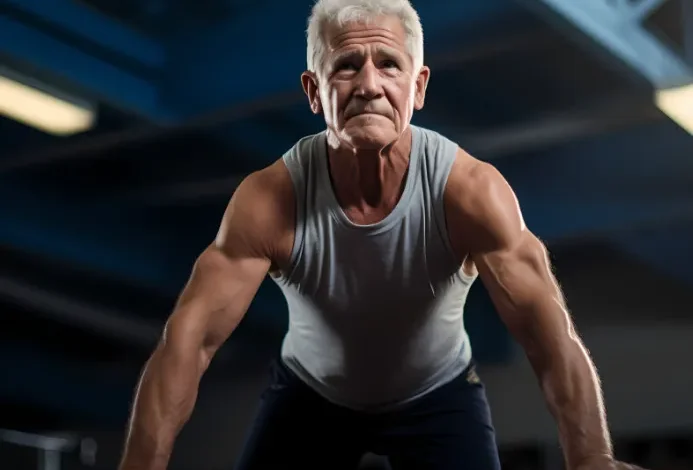
As the seasons change and our routines shift, maintaining fitness often feels like a challenge. Many people lean heavily on cardio or experiment with the latest diet trend, but there’s one practice that consistently proves itself as the real fountain of youth: strength training. More than just sculpting muscle, lifting and resistance work can profoundly impact how we age—helping us stay strong, mobile, and energized for decades to come.
If you’ve ever wondered how exercise can influence the way you feel in your 40s, 50s, and beyond, strength training holds the answers. It’s not simply about looking fit; it’s about preserving independence, vitality, and health as the years go by.
Why Strength Training Slows the Aging Process
Aging naturally brings changes to the body, one of the most significant being muscle loss, also known as sarcopenia. This decline in muscle mass often begins earlier than expected—sometimes as early as our thirties—and accelerates with time. The good news is that resistance training directly combats this process.
Every time you challenge your muscles with weights, bands, or bodyweight resistance, you cause tiny tears in the muscle fibers. Your body repairs those fibers stronger than before, which not only increases strength but also boosts metabolism. This means you’ll burn more energy throughout the day, even at rest. Beyond the metabolic perks, strength training supports bone density, mobility, and balance—all critical factors in aging gracefully.
The Power of Muscle for Longevity
Building and maintaining muscle mass goes hand-in-hand with living a longer, healthier life. Strong muscles protect joints, make everyday movements easier, and reduce the likelihood of falls or injuries. They also support metabolic health by improving how the body regulates blood sugar, lowering risks for conditions like diabetes and heart disease.
Perhaps most importantly, muscle strength is directly tied to independence. Being able to climb stairs, carry groceries, or simply get up from the floor without help becomes increasingly valuable as we age—and strength training is the most effective way to maintain these abilities.
Hormonal Shifts and Strength Training
Another lesser-known benefit of resistance work is its impact on hormones. Regular strength training helps stimulate hormones that keep us feeling youthful and vibrant, including growth hormone and testosterone. These not only aid in building and repairing muscle but also enhance mood, focus, and energy levels.
Equally important, strength training helps regulate cortisol, the stress hormone. Lower cortisol levels mean better sleep, improved mental clarity, and less wear and tear on the body over time. In short, it’s not just your muscles that benefit—your mind and mood do too.
Exercises That Support Healthy Aging
When it comes to creating a routine, the focus should be on functional, compound movements. These exercises engage multiple muscle groups at once and translate directly into everyday strength.
- Squats: Build leg power and core stability.
- Deadlifts: Strengthen the back and hips, essential for posture and mobility.
- Push-ups: Improve upper-body strength and support shoulder health.
For beginners or those who prefer to keep things simple, bodyweight exercises like lunges, planks, and glute bridges are excellent starting points. Adding resistance bands can further enhance your workouts without needing heavy equipment.
Building Consistency for Long-Term Benefits
The real magic happens when strength training becomes part of your regular lifestyle. Aim for three to four sessions per week, focusing on full-body workouts or alternating between upper and lower body. Keep sessions around 45–60 minutes, and don’t forget recovery days to allow muscles to repair and grow.
Balance is also key. Pairing resistance training with cardiovascular activity—such as walking, cycling, or swimming—creates a well-rounded program that supports heart health as well as muscular strength.
Tracking progress through journals, photos, or even a workout buddy can help maintain motivation. Small victories, like lifting slightly heavier weights or adding an extra repetition, are worth celebrating because they represent real progress toward a stronger, healthier you.
Final Thoughts
Aging is inevitable, but how we age is, to a large extent, within our control. Strength training is more than an exercise routine—it’s a long-term investment in health, vitality, and independence. By making resistance training a consistent part of your lifestyle, you’re giving your body the tools it needs to thrive, not just survive, as the years go by.