

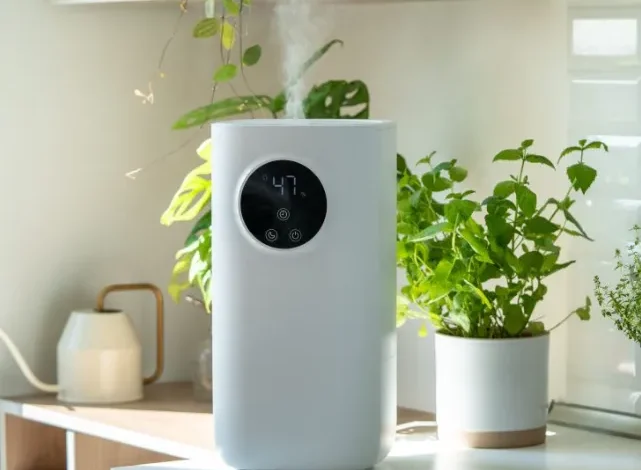
Did you know that the air inside your home can be more harmful to your health than the air outdoors?
It may come as a surprise, but indoor air quality often doesn’t meet the standards for healthy living. The reasons behind this pollution might not be as obvious as you think.
Why Indoor Air Gets Polluted
The materials in your home, from the furniture to the paint on the walls, can release chemicals into the air. These toxins—such as formaldehyde found in paper products and synthetic fabrics, benzene in plastics and detergents, and volatile organic compounds (VOCs) from paints—are harmful when inhaled.
The symptoms associated with exposure to these toxins can include allergies, dizziness, headaches, and fatigue. Long-term exposure to these chemicals has been linked to more serious health issues such as liver, kidney, and brain damage, as well as an increased risk of certain cancers.
How to Improve Your Indoor Air Quality
The best way to improve the air quality in your home is to start by limiting the number of harmful chemicals you introduce into your space. This means choosing safer alternatives for cleaning products, air fresheners, and candles. Opt for non-toxic items like VOC-free paint, flame-retardant-free mattresses, and formaldehyde-free furniture when possible.
If you are living in a rental or already have furniture that is full of harmful materials, there are still ways to improve your indoor air—one of the best options being air purifiers.
Natural Air Purifiers for Your Home
There are several natural ways to purify the air inside your home, helping to reduce exposure to harmful chemicals and allergens:
Himalayan Salt Lamps
Himalayan salt lamps, which are large blocks of salt with a lightbulb inside, are known for their ability to improve indoor air quality. They work by emitting negative ions that bind to and neutralize the positive ions found in dust, allergens, and other pollutants.
Negative ions are common in nature—found in places like waterfalls, the ocean, and after thunderstorms—while positive ions are emitted by electronics, mold, and allergens. Negative ions have been shown to improve mood, increase energy levels, boost concentration, and alleviate symptoms of allergies and asthma.
The heat from the lightbulb inside the salt lamp helps release these negative ions, making it most effective when turned on. Some lamps have a dimmer, so you can keep it on low during the night for continuous benefits. For larger rooms, choose a larger lamp to release more ions. Just make sure the lamp is made from pure, food-grade Himalayan salt.
Final Thoughts
Improving indoor air quality doesn’t have to be a complicated process. By using natural air purifiers like Himalayan salt lamps, opting for non-toxic products, and making small adjustments, you can create a healthier living environment for yourself and your family.