The Right Way to Recycle Glass: A Guide for Responsible Disposal


Recycling glass is a crucial step in reducing waste and minimizing environmental impact. However, not all glass is created equal, and understanding how to properly dispose of it can make a significant difference. Whether it’s soda bottles or broken mirrors, knowing which types of glass can be recycled and how to handle them is key to a cleaner, greener planet.
Understanding Glass Recycling
Glass is often considered 100% recyclable, meaning it can be processed and reused endlessly without losing quality. While this is true, the process of recycling glass is more complicated than you might think. Factors like the weight of the material, its tendency to break, and the low commodity value of recycled glass make it challenging for many recycling programs to handle effectively.
In the U.S., the glass recycling rate is significantly lower than that of other materials. For example, the recycling rate for glass is around 34%, compared to 67% for aluminum cans. Despite its advantages—such as reducing pollution and lowering landfill waste—glass recycling still faces several obstacles.
Glass Recycling Process
The process of recycling glass involves several steps: collection, sorting by color, cleaning, crushing into cullet (small glass pieces), and remelting it to form new containers. However, many communities face challenges with contamination, where non-recyclable glass is mixed in, ruining the whole batch. Proper sorting at the source is essential to improving recycling rates.
Handling Broken Glass
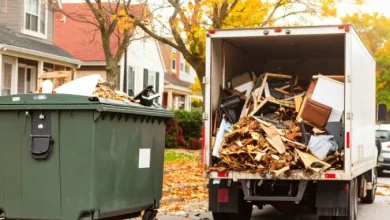
Broken glass can be hazardous and difficult to recycle. Small pieces should be carefully wrapped in paper or placed in a plastic bag before being discarded in the trash. Larger broken glass items, such as windows or mirrors, may require special handling, including bulk pickup. For construction projects with substantial glass waste, consider renting a construction dumpster from a service like Sourgum, which provides convenient disposal options.
Glass Items That Cannot Be Recycled
Although most glass is recyclable, certain types are not suitable for curbside recycling due to differences in composition and melting points. Here’s a look at some common items that cannot be recycled:
- Kitchen Glassware
Items like glass cups, bowls, and cookware are typically not recyclable. Manufacturers add chemicals to these products to make them more durable, which raises their melting points. Mixing these items with recyclable glass can contaminate the entire batch. - Lightbulbs
Many lightbulbs, especially CFLs and fluorescent types, contain mercury—a hazardous substance that poses environmental risks. These bulbs cannot be recycled through curbside programs, but specialized recycling services are available at retail locations such as Home Depot or Lowe’s. - Windows
Windows are made from treated glass, which is chemically strengthened to be more durable. This makes them harder to recycle and often unsuitable for most facilities. - Mirrors
Mirrors are covered with a reflective coating, which makes them incompatible with standard recycling processes. If they are broken, consider using the pieces for crafts or donating the mirror for reuse. - Eyeglasses
Instead of recycling old glasses, consider donating them. Many organizations, like the Lions Club, collect used eyewear and distribute it to those in need.
How to Recycle Glass That’s Not Broken
When it comes to recycling intact glass, it’s important to follow a few simple guidelines:
- Check Curbside Recycling Availability
Some areas don’t offer curbside glass recycling, so make sure your community has this service or locate nearby drop-off points. - Remove Caps and Corks
Metal bottle caps can be recycled separately. Wine corks, though not typically recyclable through curbside services, can be dropped off at designated cork recycling stations. - Rinse Containers
Always rinse your glass containers to avoid contamination. This helps keep pests away and ensures your recyclables are clean. - Prevent Breakage
Keep glass bottles and jars intact to maintain their recyclability. Broken glass in the bin can lead to contamination, reducing the overall effectiveness of recycling efforts.
By taking these simple steps, you can contribute to improving the glass recycling process and help reduce environmental impact.
Conclusion
Recycling glass requires knowledge and effort, but the benefits are clear. By following local recycling guidelines and understanding which types of glass can and cannot be recycled, you can ensure that your glass waste is disposed of responsibly. Whether it’s reusing old glass items or taking extra care with your recycling practices, every action counts toward a more sustainable future.