

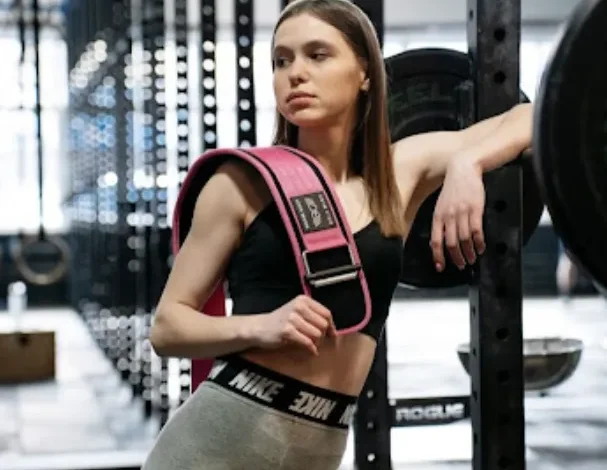
Weightlifting belts have been a staple in strength training for years, with both benefits and potential downsides. Their purpose is to enhance performance by stabilizing the core, but they should be used wisely to maximize gains and minimize risks. This article delves into the science behind weightlifting belts, how they work, and practical advice for using them.
Understanding the Science of Weightlifting Belts
Studies show that using a weightlifting belt during heavy lifts can significantly increase intra-abdominal pressure, sometimes by as much as 40%. This added pressure helps stabilize the spine, particularly during lifts that put strain on the lower back, such as squats, deadlifts, and overhead presses. The extra support reduces the shear forces acting on the spine, lowering the risk of injury.
Additionally, research indicates that weightlifting belts can improve performance by increasing maximal lifts by 5-15%, thanks to the enhanced core stability that allows for greater force production. This can be especially beneficial for competitive lifters or anyone pushing their limits.
Potential Drawbacks
While weightlifting belts offer clear benefits, there are some drawbacks. Over-relying on a belt can lead to reduced engagement of your natural core muscles, potentially weakening your ability to stabilize your spine without external support. Experts caution that consistent use of a belt during all lifting activities could impair the development of a strong, functional core.
Moreover, improper use of a belt, such as tightening it too much or wearing it during inappropriate exercises, can limit your range of motion or hinder breathing, negatively impacting your lifts.
Practical Tips for Using Weightlifting Belts
When and How to Use It
Weightlifting belts are most effective during lifts that involve significant stress on the lower back. These include squats, deadlifts, and overhead presses. The key is to engage your core and push against the belt, which increases intra-abdominal pressure and helps stabilize the spine.
Getting the Right Fit
A properly fitted belt is essential. It should be snug enough to offer support, but not so tight that it restricts your ability to breathe or perform the lift effectively.
Advice for Beginners
If you’re new to weightlifting, incorporating a belt into your routine should be a gradual decision based on your progress, goals, and strength foundation. Beginners should focus on building proper technique and core strength before relying on a belt. Exercises like planks, squats, and deadlifts without a belt will help build the necessary core stability.
Building Core Strength First
Before using a belt, prioritize improving your form and developing core strength. Focus on progressive overload to naturally strengthen your core muscles over time.
When to Consider a Belt
As you reach intermediate levels of strength, especially when lifting near or above your body weight in exercises like squats and deadlifts, you may want to start using a belt for added support. If you experience stability issues or minor lower back strains as you increase the weight, a belt can offer the necessary assistance to continue lifting safely.
How to Choose the Right Weightlifting Belt
When selecting a weightlifting belt, consider material, width, thickness, and closure system.
- Material: Leather is ideal for durability and support, while nylon belts offer more comfort but less support.
- Width: A four-inch width is optimal for most lifters, offering adequate support around the waist.
- Thickness: A 10mm thickness is generally recommended for strength training, providing a good balance of support and flexibility.
- Closure System: Prong closures offer a customizable fit, while lever closures allow for quick adjustments.
Recommended Belts for Strength Training
- Rogue Ohio Lifting Belt: A durable leather belt with a single-prong closure, providing excellent support and flexibility.
- Inzer Advance Designs Forever Lever Belt: A 10mm thick leather belt with a lever closure system, offering ease of use and robust support.
- Harbinger Padded Leather Contoured Belt: This belt features extra padding for comfort while maintaining the support necessary for a variety of lifts.
Putting It Into Practice
Weightlifting belts can significantly improve performance and reduce injury risk when used correctly. However, they should complement your natural core strength, not replace it. By using the belt strategically, ensuring proper fit, and selecting the right one for your needs, you can enhance your lifting performance while avoiding over-reliance on external support. With these tips, you can make informed choices and push your strength training to new heights.