

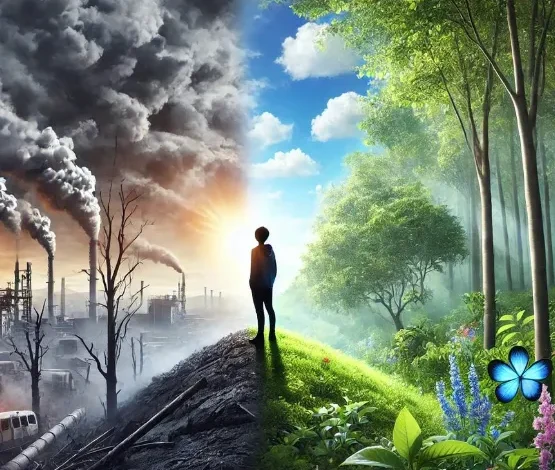
In today’s world, it’s not unusual to feel disillusioned by the environmental destruction caused by the world’s wealthiest individuals, especially when you’re doing your part by making sustainable choices. It’s easy to get frustrated after seeing the glaring hypocrisy of influencers or celebrities flaunting their luxury while the rest of us try to make conscious, eco-friendly decisions.
You might carry a reusable bottle, choose plant-based meals, or recycle diligently, only to witness billionaires flying around in private jets, wasting more resources in an hour than you’ll ever consume. It’s easy to feel like your efforts are futile. But here’s why it’s still vital to keep pushing forward and channel that frustration into action.
Understanding Eco-Anxiety
If you’ve ever found yourself feeling anxious or disheartened by the state of the environment, you’re not alone. Research shows that the wealthiest 1% of the population are responsible for a disproportionate amount of environmental damage. For instance, they account for more carbon emissions than the poorest 66%. It’s infuriating to know that those most responsible for the planet’s degradation seem to remain unaffected, while the rest of us are left to pick up the pieces.
It’s normal to feel eco-anxiety given these realities. It’s a sign that you deeply care about the planet. Your frustration is a natural response to witnessing the disconnect between those with immense resources and the rest of the world, and that frustration can be the spark for positive change.
Why Your Efforts Matter
Despite the overwhelming challenges, your individual actions do have value. Here’s why your small, sustainable choices matter:
1. You Lead by Example:
Your actions influence others more than you may think. When you choose public transportation, avoid single-use plastics, or embrace a more plant-based diet, you set an example. Your family, friends, and even strangers might notice and start to change their habits too. The small, everyday decisions you make help shift cultural norms, creating a ripple effect of positive change.
2. You’re Voting with Your Wallet:
Every time you buy a product or support a business, you’re expressing your values. By choosing brands that prioritize sustainability, you are indirectly challenging harmful business practices. Companies listen to consumer demand. When enough people make eco-conscious choices, these businesses are forced to change. You’re part of a growing movement that can shift the market.
3. It’s About Living with Integrity:
The most important reason for taking action is personal alignment. By making sustainable choices, you honor your values and principles. Living with integrity fosters a sense of inner peace, knowing that your actions reflect your deepest beliefs. This alignment helps you feel proud of your choices, regardless of the broader challenges.
4. Building a Foundation for Larger Change:
While individual actions alone won’t solve the climate crisis, they are a vital part of the solution. When individuals live sustainably, they become the advocates for systemic change. Whether it’s joining a community initiative, supporting eco-friendly policies, or advocating for corporate responsibility, your commitment to personal sustainability provides the foundation for collective action.
Transforming Eco-Anxiety Into Productive Action
It’s easy to feel overwhelmed by eco-anxiety, but the key is not to give in to despair. Instead, channel that energy into purposeful, positive action. Here are some ways to move from frustration to impact:
1. Educate Yourself (Mindfully):
Stay informed, but be cautious of feeling overwhelmed by negative news. Knowledge should empower you, not paralyze you. Seek out solutions and stay updated on positive environmental progress.
2. Connect with Like-Minded Individuals:
Find community support through environmental groups, online communities, or friends who share your values. You’re not alone in this journey, and knowing you’re part of something larger can be incredibly motivating.
3. Advocate for Change:
Use your frustration constructively by pushing for policy changes. Contact your elected representatives, sign petitions, or support organizations lobbying for stronger environmental laws. The collective voice is powerful and can drive systemic change.
4. Support Ethical Brands:
Be intentional about where you spend your money. Support businesses that are genuinely working to reduce their environmental impact. While some eco-friendly products may be expensive, even small changes in your purchasing habits can send a strong message to companies. You can also consider low-buy or no-buy months to curb consumption.
5. Focus on What You Can Control:
Although we can’t control the actions of large corporations or billionaires, we can control our own choices. Focus on what you can change in your personal life, whether it’s reducing waste, opting for green energy, or spending more time outdoors. Every small step counts.
6. Reconnect with Nature:
To prevent burnout, spend time outdoors. Connecting with nature helps to recharge your energy and reignite your passion for environmental protection. Nature can serve as a reminder of why your actions matter.
Keep Moving Forward: Your Actions Are Making a Difference
Remember, change doesn’t require perfection, nor does it require you to do everything. Your efforts, no matter how small they seem, contribute to a larger cultural shift. Just as one vote doesn’t decide an election, one action may not solve the climate crisis—but together, we can create monumental change.
Every choice you make, every small action, is part of a ripple effect that leads to a better future. By focusing on what you can control, embracing eco-friendly habits, and pushing for larger systemic changes, you can keep making a difference. Continue living with intention, and know that every positive action you take truly does matter.