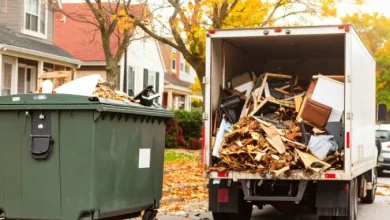

Food waste is a significant issue in the U.S., with staggering amounts of food being thrown away every year. While much attention is given to recycling plastics, food waste is often overlooked, even though it accounts for a massive portion of landfill waste. Did you know that food waste makes up 22% of all municipal solid waste in the U.S.? The good news is that we can take simple steps to combat this issue and make a positive impact on the environment. One such step is composting.
The Scope of Food Waste in the U.S.
Americans waste an astounding 80 billion pounds of food annually, which amounts to a whopping $161 billion in losses. Shockingly, this is about 30-40% of all food produced. But where does this food waste come from? At the farm level, food loss occurs during production and harvest, amounting to 15-25%. Restaurants are responsible for 26% of food waste, often due to customer preferences for perfectly presented meals. Meanwhile, households waste about 219 pounds of food per person each year, largely due to spoilage and over-purchasing.
Though Americans are significant contributors to food waste, other industrialized nations face similar challenges. In developing countries, however, food loss happens earlier in the supply chain due to financial constraints, improper storage, and harvesting issues.
Why Food Waste Matters
Food waste is more than just an inconvenience—it has serious environmental consequences. Discarded food contributes to greenhouse gas emissions, especially methane, when it decomposes in landfills. This waste is a key driver of climate change. Furthermore, the energy and resources that go into producing, transporting, and storing food are also wasted when the food is thrown away. As a result, fighting food waste is an essential part of addressing environmental issues like climate change and resource conservation.
How Composting Helps
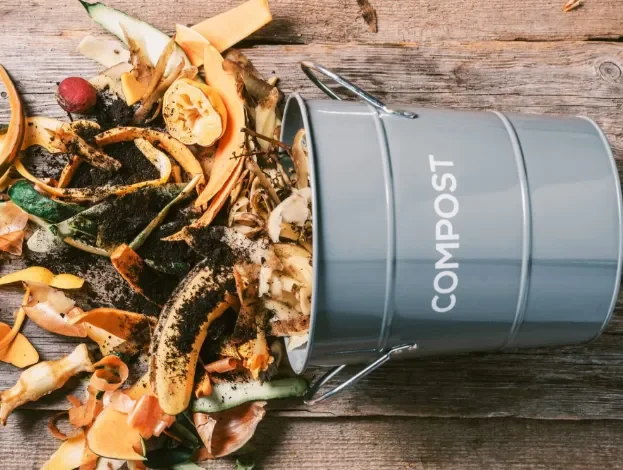
Composting is a simple yet effective way to tackle food waste. It accelerates the natural decay process of organic materials, turning food scraps into nutrient-rich soil. This process benefits the environment by reducing the amount of waste in landfills and providing a sustainable alternative to chemical fertilizers.
Composting has been around for centuries, and its benefits are widely recognized. Industrial composting facilities handle large-scale green waste, but households can easily compost food scraps at home. With the right mix of ingredients and conditions, organic materials break down efficiently, enriching soil with essential nutrients like nitrogen and phosphorus.
What Can You Compost?
The key to successful composting is maintaining the right balance between “green” and “brown” materials. Green waste, such as fruit and vegetable scraps, coffee grounds, and grass clippings, provides nitrogen. Brown waste, like leaves, straw, and cardboard, is rich in carbon. A good rule of thumb is a 25:1 ratio of carbon to nitrogen.
Here are some compostable items:
- Fruits and vegetables
- Coffee grounds and tea bags
- Nut shells
- Shredded newspaper and cardboard
- Grass clippings and plant trimmings
However, there are a few items you should avoid composting, including:
- Coal or ash
- Diseased plant material
- Dairy products (which can attract pests)
- Certain types of twigs and branches
Composting Options for Every Household
Composting can be done in a variety of ways, and there are numerous bins and composting kits available for all household sizes. One excellent option is the Bokashi Composter, which comes with everything you need to start composting, including a composter, bran, and a guide. The bran contains special bacteria that help break down food waste quickly and efficiently, making it an ideal choice for beginners.
The Bigger Picture: Composting’s Environmental Benefits
Composting offers more than just a way to reduce waste. By diverting food scraps from landfills, we help reduce harmful greenhouse gas emissions and enrich soil for gardening and agriculture. The benefits of composting extend beyond the environment—it can also improve air quality and reduce the need for chemical fertilizers, which are often harmful to ecosystems.
Final Thoughts
Composting might seem like a small action, but its impact is significant. Reducing food waste is one of the easiest and most effective ways to make a positive environmental impact. As more people choose to compost, we can reduce landfill waste, conserve resources, and help fight climate change. So, if you haven’t already, consider starting your own composting journey. It’s a simple step that can make a big difference.