

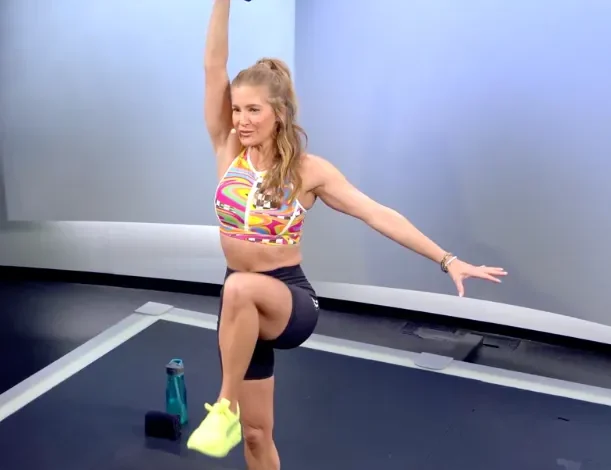
As the new season arrives, many of us are eager to set new fitness goals. Whether you’re preparing for outdoor activities or simply aiming to feel more energetic, building core strength is essential for women. A strong core is vital for virtually everything we do – from lifting groceries to powering through workouts – it supports your daily functions and overall fitness journey.
But here’s a question: Have you ever felt like your workouts lacked intensity or noticed challenges with balance or stability during exercises? If so, it might be time to give more attention to core strength. Let’s dive into why it’s so important for women to focus on strengthening their core and how it can boost your fitness routine.
What is Core Strength?
Core strength refers to your body’s ability to stabilize and control movement through the torso. It’s not just about developing a toned abdomen; it involves the muscles that support your spine, pelvis, and shoulders. This includes abdominal muscles, back muscles, and even hip muscles. When women focus on core strength, they’re recognizing how these muscles work together to offer stability and support to the entire body.
A strong core helps maintain good posture, improves balance, and makes movement more efficient. Think of it as the foundation of your body – the support system that allows you to stand tall, move with ease, and avoid unnecessary strain. By strengthening your core, you set yourself up for success in all aspects of life, both in fitness and everyday tasks.
Why Core Strength is Crucial for Women
Core strength is especially important for women due to the unique challenges we face, including hormonal shifts, the physical demands of pregnancy and motherhood, and the general demands of life. By building a strong core, women can better handle these challenges, providing stability and support for a wide range of activities.
Core strength also has a profound impact on fitness performance. It helps improve endurance in cardio, enhances power in strength training, and supports flexibility in yoga. With a strong core, you can engage more effectively in these activities, reducing the risk of injury and boosting your athletic performance.
Beyond fitness, everyday tasks are made easier when your core is strong. From lifting children to carrying heavy groceries, a stable core makes these actions safer and more comfortable. A strong core empowers women to tackle their daily routines without discomfort or risk of injury.
Debunking Common Myths About Core Strength
It’s essential to address some common misconceptions about core strength to better appreciate its true benefits for women. One myth is that achieving a strong core means performing endless crunches. While crunches can help, they are far from the most effective or complete approach to building core strength.
Another misconception is that only athletes or fitness enthusiasts need to focus on their core. In reality, a strong core benefits everyone, whether you’re a busy parent, a professional, or someone who simply wants to move better. Core strength is about improving everyday functionality and ensuring the body works as one unit.
Lastly, some believe core strength is merely for aesthetic purposes, such as achieving a toned midsection. While this can be a great bonus, the real value of a strong core lies in its functional benefits. It enhances your overall stability and helps you feel more confident and secure in your movements.
The Many Benefits of Core Strength
A strong core offers more than just aesthetic appeal – it improves your posture, stability, and injury prevention, making it a critical aspect of overall health and wellness.
Improved Posture and Stability
Good posture starts with a strong core. Engaging your core muscles throughout the day helps maintain a neutral spine and proper alignment, which can reduce back pain and improve overall comfort. Here are a few tips to help you build better posture:
- Activate your core: Try pulling your belly button toward your spine throughout the day to engage your core muscles and help maintain a neutral spine.
- Practice wall sits: Lean against a wall and slide down into a seated position. Hold for 30 seconds to a minute. This strengthens your core and supports better posture.
- Incorporate planks: Start with forearm planks, holding for 20-30 seconds, gradually increasing the duration. This is a great way to build core stability and enhance posture.
These simple actions can make a noticeable difference in how you carry yourself and perform daily tasks.
Core Strength in Everyday Life
A strong core makes life’s physical tasks easier and safer. Whether you’re lifting something heavy, playing with your children, or even sitting at your desk, your core is working. To make the most of your core strength throughout the day, try these simple adjustments:
- Lift properly: Always bend your knees and engage your core when lifting objects to protect your back and activate your core.
- Sit actively: If you spend a lot of time sitting, consider using a stability ball as your chair. This encourages core engagement and promotes better posture.
- Engage your core during routine activities: Whether washing dishes or cooking, consciously engage your core to maintain good posture and avoid strain.
These mindful habits will not only enhance your functional strength but also improve your overall well-being.
Injury Prevention
Injuries can put a serious halt to your fitness goals, but a strong core helps prevent them by stabilizing your body during movement. Incorporating balance training, strengthening supporting muscles, and listening to your body can all play a part in reducing the risk of injury.
- Balance training: Exercises like single-leg stands or stability ball workouts help engage the core and improve overall stability, reducing fall risk.
- Strengthen supporting muscles: A well-rounded approach to core training targets not just the abs, but also the back, hips, and glutes, ensuring all muscles work in harmony.
- Listen to your body: If you feel discomfort during an exercise, stop and assess. Adjusting your form or taking a break when necessary will help prevent injury.
By building a strong core, you’re not only improving performance but also reducing the risk of long-term injury.
Core Workouts for All Fitness Levels
Regardless of your fitness level, building a strong core is essential. Here are some core-strengthening exercises tailored to beginners, intermediate athletes, and advanced practitioners:
Beginner Core Exercises
If you’re just starting, begin with foundational exercises that engage the core and build stability:
- Dead Bug: Lie on your back, extend arms toward the ceiling and bend your knees at 90 degrees. Lower your opposite arm and leg towards the floor, then return to the start. Repeat for 10-15 reps per side.
- Bird Dog: On all fours, extend one arm and the opposite leg simultaneously, holding for a moment before returning to the start. Perform 10-12 reps on each side.
- Glute Bridge: Lie on your back with knees bent and feet flat on the floor. Press through your heels to lift your hips toward the ceiling, engaging your glutes and core. Hold briefly, then lower back down. Do 10-15 reps.
Intermediate Core Exercises
As you build strength, you can challenge yourself with more advanced moves:
- Planks: Hold a forearm plank position for 30-60 seconds, keeping your body in a straight line from head to heels.
- Russian Twists: Sitting on the floor, lean back slightly, and twist your torso side to side while holding a weight or medicine ball. Aim for 10-15 twists on each side.
- Side Planks: Lie on your side and prop yourself up on your forearm. Hold the position for 20-30 seconds, focusing on engaging your obliques.
Advanced Core Exercises
For those seeking a challenge, try these advanced moves:
- Hanging Leg Raises: Hang from a pull-up bar and lift your legs toward your chest while engaging your core. Aim for 8-10 reps.
- Ab Rollout: Using an ab roller, roll forward, keeping your core tight, then return to the start. Perform 8-12 reps.
- Medicine Ball Slams: Hold a medicine ball overhead and slam it to the ground. Engage your core throughout the movement for a full-body workout.
Building Consistency with Core Training
Consistency is key when it comes to strengthening your core. By making core exercises a regular part of your routine, you can reap long-term benefits. Set clear goals, create a workout schedule, and track your progress to stay motivated. Consider using fitness apps or journaling to log your workouts and monitor improvements over time.
Whether you’re a beginner or a seasoned athlete, building core strength is an empowering journey. Embrace the challenge and make it a central part of your fitness routine. A stronger core leads to a stronger, more confident you, both in and out of the gym.